
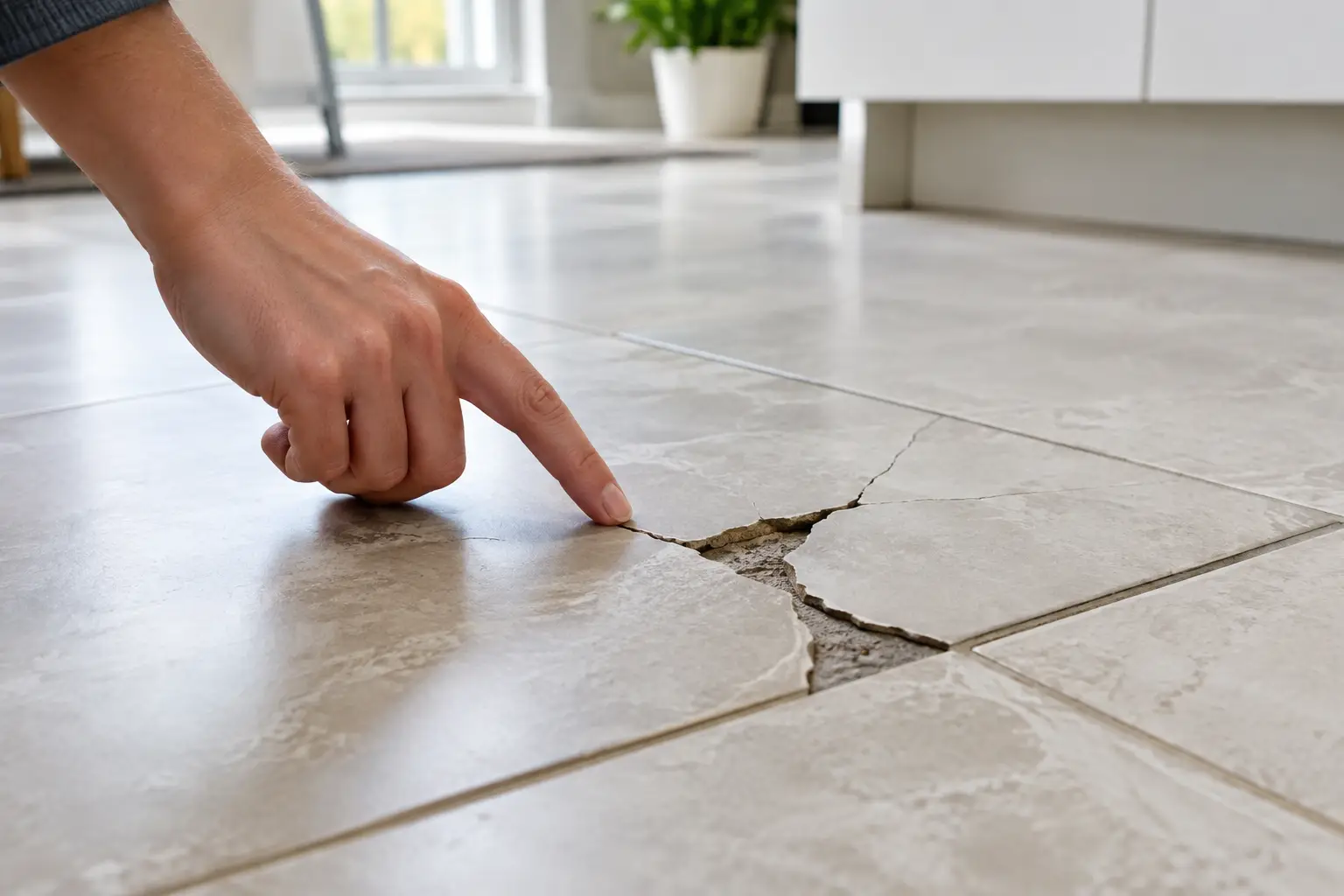
When to Replace Cracked Tile: 7 Clear Signs
A hairline crack near the edge of one tile may look minor. A crack that widens, shifts underfoot, or returns after repair is a warning that the problem may extend below the surface. Knowing when to replace cracked tile helps you avoid moisture damage, unsafe walking conditions, and a small repair turning into a larger flooring project.
For homeowners, property managers, and investors, the right decision is not always about replacing every damaged tile. It is about identifying whether the tile itself failed, the installation failed, or the subfloor is moving. A professional assessment can protect your budget while delivering a clean, high-quality result.
When to Replace Cracked Tile Instead of Repairing It
Tile replacement is usually the better choice when the crack affects the tile’s strength, appearance, or ability to protect the surface underneath. Ceramic, porcelain, and natural stone are durable materials, but they do not flex well. Once a tile breaks, it cannot be restored to its original structural condition with filler alone.
Replace the tile if the crack is deep enough to catch a fingernail, runs from one edge to another, or has created separate pieces. These cracks allow water, cleaning products, and dirt to reach the thinset and subfloor below. In bathrooms, kitchens, entryways, and laundry rooms, that moisture can create hidden damage long before it becomes visible.
Replacement is also the smart move when a cracked tile sits in a high-traffic area. A damaged floor tile can chip further under regular foot traffic, moving furniture, or rolling equipment. Sharp edges and uneven sections are a safety concern, especially in rental properties and commercial spaces where liability matters.
7 Signs Your Cracked Tile Needs Replacement
1. The crack is spreading or getting wider
A stable hairline crack may remain unchanged for years. A crack that grows, branches outward, or becomes more noticeable is different. It often means the tile is under pressure from movement below, and cosmetic repair will not stop that movement.
2. The tile sounds hollow or moves when stepped on
Tap lightly on surrounding tiles. A solidly bonded tile generally produces a firm sound, while a hollow sound can indicate poor adhesive coverage or separation from the substrate. If the tile shifts, rocks, or clicks underfoot, replacement should include inspection and repair of the base beneath it.
3. Multiple tiles are cracking in the same area
One broken tile can result from a dropped object. Several cracked tiles, especially in a line or concentrated section, often point to an installation or structural issue. Common causes include an uneven subfloor, inadequate expansion joints, improper thinset coverage, or movement in a concrete slab.
Replacing only the visible tiles without correcting the cause may give you a temporary improvement, but the new tiles can crack too. This is where expert surface preparation makes the difference between a quick patch and a durable floor.
4. Grout is cracking, crumbling, or separating nearby
Cracked grout alone does not always mean the tile must be replaced. Grout can fail because of age, cleaning methods, or minor movement. But when grout damage appears alongside cracked or loose tile, it is a strong indication that the floor assembly is shifting.
Pay close attention to grout joints near walls, doorways, cabinets, and transitions between rooms. These are common pressure points. A professional can determine whether the tile needs targeted replacement or whether a larger section should be removed and prepared correctly.
5. Water is getting below the tile
Discoloration, persistent dampness, a musty smell, or staining around tile edges should be addressed quickly. In wet areas, a cracked tile can compromise the surface and allow moisture into the underlayment, wall base, or subfloor.
For a shower floor or bathroom, the issue may involve more than the tile itself. The waterproofing system must be evaluated before new tile is installed. Replacing the surface without fixing a failed moisture barrier can lead to expensive repeat work.
6. The tile is chipped, sharp, or missing pieces
Small chips along an edge can sometimes be repaired if they are purely cosmetic and away from traffic. Large chips, missing corners, and broken pieces create a rough surface that is difficult to clean and unsafe to walk on. Replacement is typically cleaner, stronger, and more attractive than trying to disguise significant damage.
7. You are preparing the property for sale, lease, or renovation
Even a few cracked tiles can make a kitchen, bathroom, lobby, or rental unit feel neglected. Buyers and tenants notice flooring immediately because it signals how well the property has been maintained. Replacing visibly damaged tile before listing or turnover can improve the presentation of the entire space.
If the room is already scheduled for a remodel, it may be more cost-effective to remove old tile, prepare the surface, and install a coordinated new floor rather than chase individual repairs across an outdated installation.
When a Cracked Tile Can Be Repaired
Not every crack demands immediate replacement. A very fine surface crack that is not spreading, does not move, and is located in a dry, low-traffic area may be suitable for a color-matched epoxy or repair kit. This option can reduce the visual impact when matching replacement tile is unavailable.
Repair is a compromise, not a full restoration. Filler may be visible in certain lighting, and it does not correct a weak bond or a moving substrate. It works best for minor cosmetic damage, not structural cracks.
A single damaged tile can also be replaced without removing the full floor if matching material is available and the surrounding installation is sound. This is why keeping a box of leftover tile after a new installation is a practical investment. If you do not have extras, a contractor may be able to source a close match, but color lots, texture, and sizing can vary over time.
Why Tile Cracks in the First Place
Tile is strong under compression but vulnerable to bending and movement. The cause may be as simple as a heavy object falling on the floor. More often, recurring cracks point to conditions beneath the tile.
Concrete slabs can develop cracks or slight movement. Wood subfloors may flex when they are not properly reinforced. In Florida homes, humidity, moisture exposure, and settling can affect flooring systems over time. Poor surface preparation, rushed installation, insufficient adhesive coverage, or skipped movement joints can all reduce the life of a tile floor.
The tile material matters too. Natural stone generally needs a stiffer, more carefully prepared base than ceramic or porcelain. Large-format tile requires a flat surface and proper mortar coverage to prevent unsupported areas. The right installation method depends on the room, existing substrate, tile size, and expected traffic.
What Professional Tile Replacement Should Include
High-quality tile replacement is more than removing a broken piece and setting a new one. The work should begin with identifying the reason for the damage. If moisture, subfloor movement, hollow spots, or slab cracking is present, those conditions need attention before the new tile goes in.
The damaged tile is carefully removed to limit impact on neighboring pieces. Old thinset and debris are then cleared so the replacement sits level with the surrounding floor. The substrate should be checked for cracks, low spots, damage, or contamination that could interfere with adhesion. Once the surface is properly prepared, the new tile is installed with the correct material and spacing, then grouted and finished for a consistent appearance.
For larger failures, full removal may be the more reliable solution. Professional removal equipment and dust-control practices help keep the project cleaner while preparing the space for new ceramic tile, vinyl, marble, or another flooring system. Rox Floor handles removal, surface preparation, and installation as one coordinated service, helping Central Florida clients avoid the delays and handoffs that often happen with separate crews.
Make the Decision Before Damage Spreads
Do not judge a cracked tile only by how it looks from across the room. Check whether it moves, whether nearby grout is failing, and whether moisture could be reaching the layer below. Those details determine whether a simple repair is reasonable or whether replacement is the smarter long-term choice.
If you are unsure, have the damaged area evaluated before ordering materials or attempting a do-it-yourself repair. A clear diagnosis gives you control over the scope, cost, and schedule, and it helps ensure the next floor is built to last.