
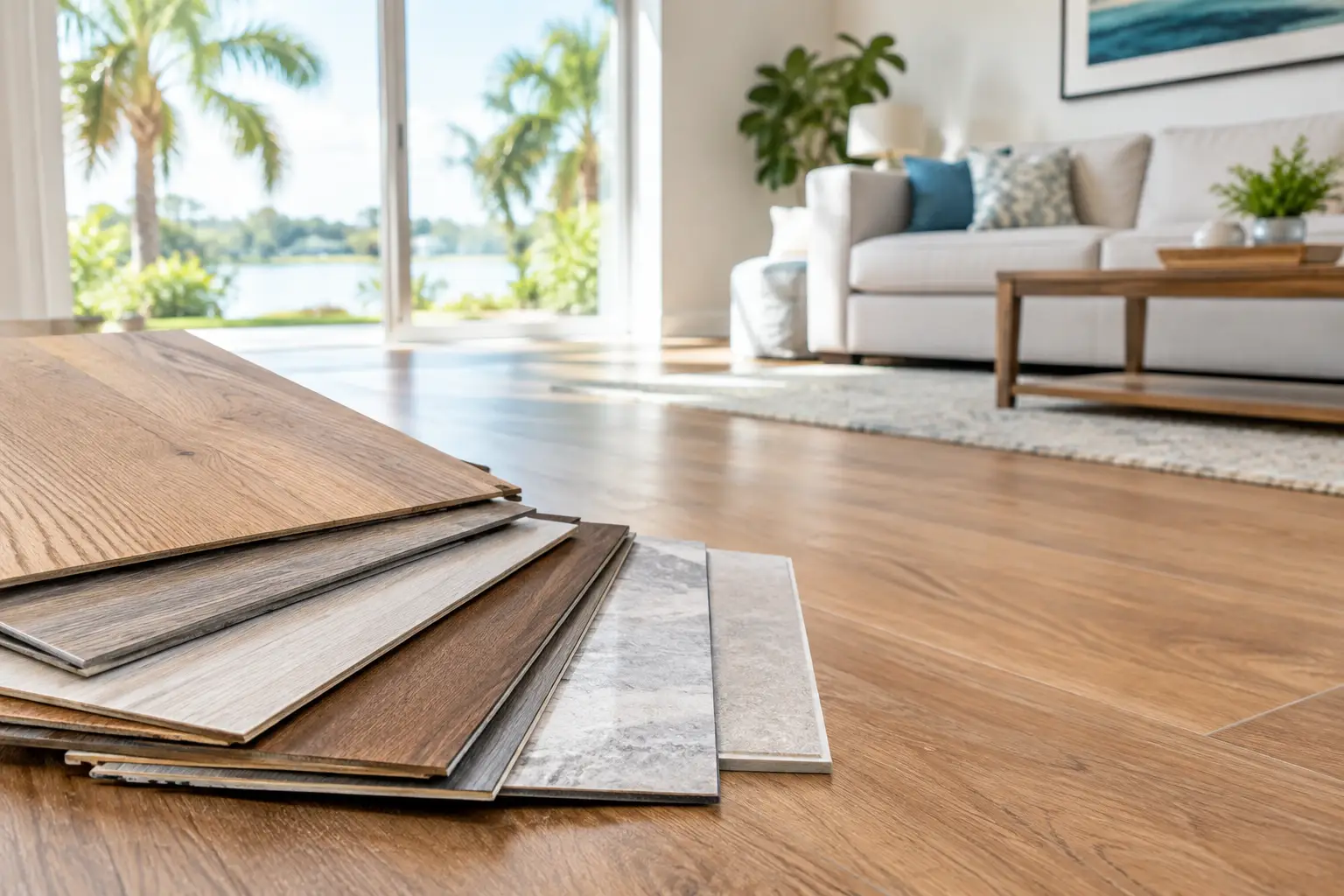
Central Florida Flooring Guide for Lasting Results
A floor that looks great on installation day but swells, shifts, or shows wear after one Florida summer is not a good investment. This Central Florida flooring guide is built for property owners who want the right material, a properly prepared surface, and a finished result that holds up to humidity, traffic, pets, tenants, and everyday life.
Whether you are remodeling a home, preparing a rental property, updating a retail space, or repairing water-damaged floors, the best decision starts before the first plank or tile is installed. Material matters, but removal, subfloor condition, moisture control, layout, and installation quality matter just as much.
Start With How the Space Will Be Used
There is no single best flooring option for every property. A quiet guest room has different demands than a busy kitchen, a rental turnover, or a commercial entrance. Before selecting color, pattern, or price point, look at the conditions the floor will face.
For homes, consider daily foot traffic, children, pets, cleaning habits, and the chance of spills. For rental properties, durability and easy replacement are usually major priorities. For commercial spaces, slip resistance, maintenance requirements, and how the flooring performs under steady traffic should guide the decision.
Moisture is another major factor in Central Florida. Humidity is part of the environment year-round, and water events can happen quickly – from appliance leaks and bathroom overflows to storm-related issues. Flooring must be selected and installed with those realities in mind. A premium product can still fail if it is installed over an uneven surface or a slab with unresolved moisture concerns.
Tile: A High-Performance Choice for Florida Properties
Ceramic and porcelain tile remain reliable choices for many Florida homes and commercial spaces. They handle humidity well, are easy to clean, and offer long-term durability when installed over a properly prepared substrate. Tile works especially well in kitchens, bathrooms, laundry rooms, entryways, and open living areas.
Porcelain is generally denser and less porous than standard ceramic tile, making it a strong option for high-traffic areas and rooms where moisture is common. Ceramic tile can deliver excellent value and a wide range of design options, particularly for walls, lower-traffic rooms, and bathroom renovations.
The trade-off is that tile installation is not forgiving. The existing flooring must be removed correctly, the surface must be leveled, and the layout must be planned before setting materials are applied. Poor prep can lead to hollow-sounding tile, uneven edges, cracked grout, and lippage – where adjacent tiles do not sit at the same height.
Large-format tile deserves even more attention. Its clean, modern appearance is popular, but it requires a flatter substrate than smaller tile. If the floor has dips, high spots, adhesive residue, or old patchwork, surface preparation is not optional. It is the foundation of a high-quality installation.
Vinyl Flooring: Practical, Durable, and Design-Flexible
Luxury vinyl plank and luxury vinyl tile are strong contenders for homeowners, investors, and property managers who need a durable floor with a fast visual upgrade. Modern vinyl can closely resemble wood, stone, and tile while providing a warmer feel underfoot than ceramic or porcelain.
Vinyl is often a practical choice for bedrooms, living areas, offices, rental units, and renovation projects where budget and speed both matter. Many products are water-resistant or waterproof, but those terms should not be treated as a guarantee against every moisture issue. Water can still reach the subfloor through edges, transitions, plumbing failures, or gaps around walls.
The condition of the floor beneath vinyl is critical. Vinyl can reveal imperfections over time, especially with thinner products. Uneven concrete, leftover glue, cracks, and raised areas can affect the finished appearance and the life of the installation. Proper removal and floor preparation help prevent visible defects and weak points.
Vinyl also comes with different installation systems. Glue-down vinyl can be a smart option for certain commercial applications and high-traffic spaces. Click-lock floating floors can speed up installation in suitable residential settings. The right system depends on the product, the subfloor, the room’s conditions, and how the property will be used.
Marble: Premium Appeal With Specific Care Requirements
Marble creates a high-end look that can elevate bathrooms, kitchens, entryways, and feature areas. Each piece has natural variation, which gives the finished floor character that manufactured materials cannot fully duplicate. For owners focused on premium design and long-term property appeal, marble can make a powerful impression.
It also requires an informed decision. Marble is more porous and softer than porcelain, so it can be vulnerable to staining, scratching, and etching from acidic products. It should be sealed as appropriate and cleaned with products suited for natural stone. In wet areas, the finish and slip resistance should be carefully considered.
Installation quality is especially visible with marble. Veining, color variation, cuts, grout spacing, and transitions all affect the final appearance. Professional planning helps ensure the material looks intentional rather than inconsistent. This is not a place to cut corners on surface prep or craftsmanship.
The Central Florida Flooring Guide to Removal and Prep
Most flooring problems do not begin with the new material. They begin with what was left beneath it.
Old tile, carpet, laminate, hardwood, vinyl, thinset, glue, and damaged underlayment must be removed using the right process for the space. Rushed demolition can damage concrete slabs, leave behind stubborn adhesive, create unnecessary dust, or make later installation more difficult. Controlled floor removal protects the substrate and gives the installation team a clear view of what needs to be repaired.
After removal, the surface should be evaluated for cracks, moisture concerns, uneven areas, and previous repair work. Depending on the material being installed, preparation may involve scraping, grinding, patching, leveling, cleaning, or applying the appropriate underlayment or membrane.
This phase can feel less exciting than selecting a new floor, but it protects the value of the project. A properly prepared surface supports cleaner lines, stronger bonding, smoother transitions, and a more durable result. It also reduces the risk of avoidable callbacks after the job is complete.
Choose Flooring by Room, Not Just by Style
A coordinated look throughout a property can be valuable, but every room does not have to use the same material. Smart material placement can improve performance and control cost.
In bathrooms and laundry rooms, tile is often a dependable choice because it handles moisture and frequent cleaning well. In kitchens, tile and quality vinyl both work, depending on the desired finish, budget, and comfort underfoot. Living rooms may benefit from wood-look vinyl for warmth and ease of maintenance, while marble may be best reserved for areas where its visual impact can stand out.
For rental properties, a durable, widely available flooring option can simplify future repairs. For owner-occupied homes, design preference may carry more weight. For commercial spaces, the project needs to account for traffic patterns, maintenance routines, and downtime during renovation. The right recommendation should follow the property’s real needs, not a one-size-fits-all sales pitch.
Know What a Professional Flooring Scope Should Include
A clear project scope protects the client and the installation team. Before work begins, you should understand what will be removed, how the space will be protected, what surface preparation is included, which materials are being installed, and how transitions or baseboards will be handled.
Ask direct questions about the existing subfloor or slab condition. If moisture testing, leveling, crack repair, or adhesive removal may be needed, that should be addressed before installation day whenever possible. Clear expectations prevent surprises and allow the work to move faster once the project starts.
It also helps to work with a contractor that can manage multiple phases. Coordinating demolition, debris removal, surface preparation, flooring installation, and finishing through one experienced team can reduce scheduling gaps and accountability issues. Rox Floor provides that integrated approach for residential and commercial renovation projects across Central Florida.
Make the Floor Work for the Property
The best floor is not simply the one that photographs well. It is the one that fits the room, withstands its daily demands, and is installed on a surface prepared to support it for years. A detailed quote and an on-site evaluation are the right next steps before making a final material decision.
Bring your room dimensions, photos of the existing floor, and your priorities for durability, appearance, and budget. With the right plan in place, your renovation can move from removal to a clean, high-quality finished floor without avoidable delays.