
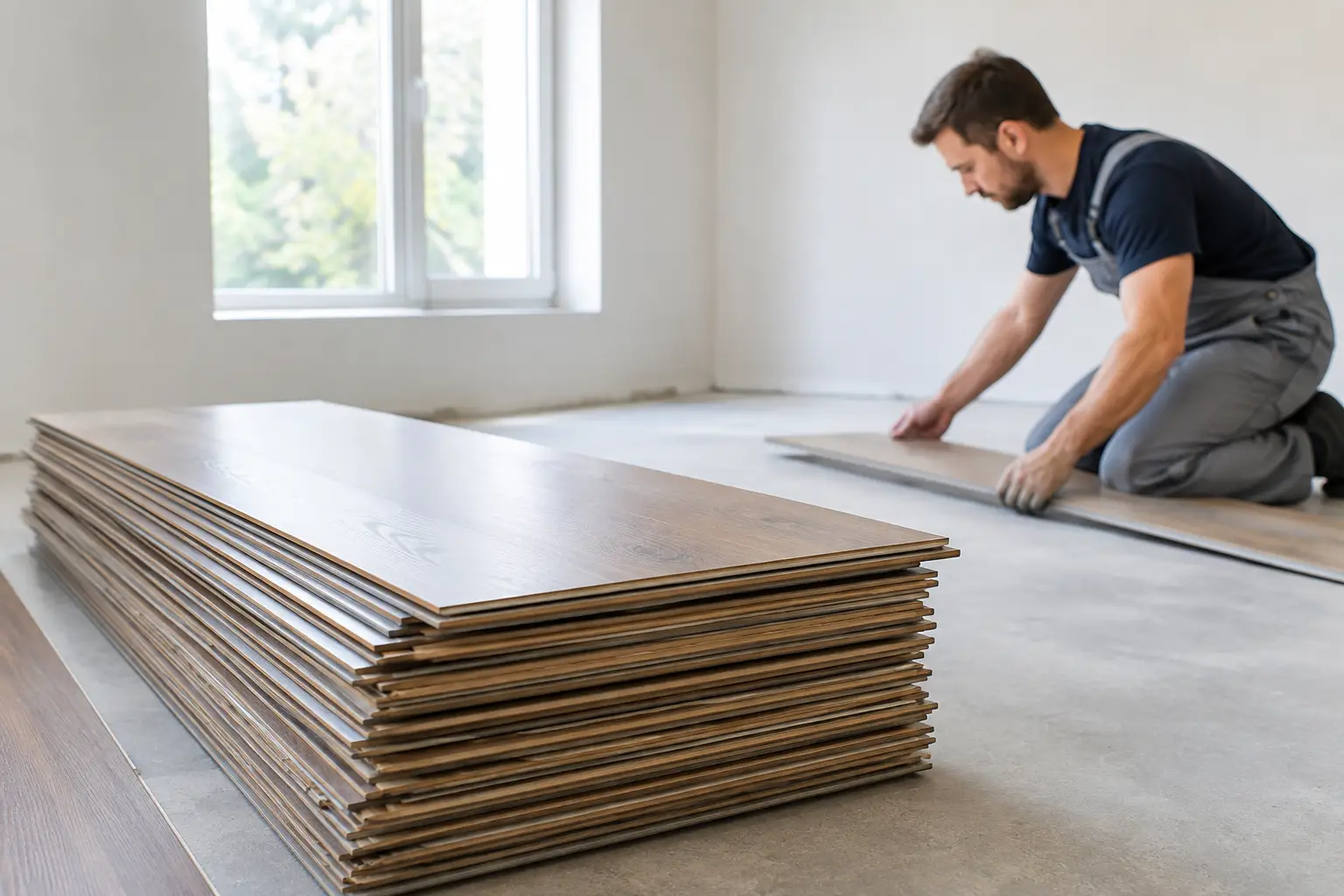
Do Floors Need Acclimation Before Installation?
A new floor can look perfect on installation day and still develop gaps, lifting edges, or joint movement weeks later. One common reason is skipped acclimation. So, do floors need acclimation before installation? Often, yes – but the right answer depends on the flooring material, the jobsite conditions, and the manufacturer’s requirements.
At Rox Floor, we approach every installation as a complete system: removal, subfloor preparation, moisture control, material handling, and precise installation. Acclimation is one part of that system. When it matters, skipping it can turn a fast project into an expensive callback.
Do Floors Need Acclimation? It Depends on the Material
Acclimation means allowing flooring materials to adjust to the temperature and humidity inside the space where they will be installed. Materials can expand, contract, absorb moisture, or release moisture as they move from a warehouse, delivery truck, or garage into a conditioned home or commercial property.
Wood-based products are the most sensitive. Solid hardwood, engineered hardwood, laminate, and some bamboo floors commonly need acclimation because their cores or layers respond to changes in moisture. If installed before they stabilize, boards may expand after installation and create pressure, buckling, or cupping. If they dry too much after installation, gaps may appear.
Vinyl flooring is different. Luxury vinyl plank and luxury vinyl tile do not absorb moisture like wood, but they can still react to temperature. Many vinyl products should rest in the installation area for at least 24 to 48 hours so they can reach the room’s temperature. This is especially relevant when material has been stored in a hot garage, transported in a warm truck, or delivered during a Central Florida heat spell.
Ceramic tile, porcelain tile, and natural marble generally do not require acclimation in the same way wood flooring does. However, the room, substrate, mortar, grout, and tile should all be within the manufacturer’s recommended temperature range. Tile installation on a damp, unstable, or poorly prepared surface can fail even when the tile itself is unaffected by humidity.
Why Acclimation Matters in Florida Homes
Florida’s humidity is not a minor detail. It is a major jobsite condition. A floor delivered from a dry indoor warehouse into a home with high indoor humidity may change dimension before or after it is installed. The reverse can happen when flooring moves from a humid storage area into an aggressively air-conditioned home.
Air conditioning helps control indoor conditions, but it does not eliminate the need for preparation. A newly renovated house may have windows open, HVAC not fully operating, fresh drywall work underway, or a recent plumbing issue. Those conditions can raise moisture levels quickly.
For hardwood and laminate, moisture movement can affect fit and long-term performance. For vinyl, temperature swings can affect handling, cutting, adhesive performance, and expansion allowance. For tile and marble, moisture in the concrete slab or subfloor can interfere with bonding materials and lead to debonding, cracking, or staining in sensitive natural stone.
The goal is not simply to leave boxes in a room for a certain number of days. The goal is to create conditions that are close to the conditions the floor will experience after the project is complete.
How Long Should Flooring Acclimate?
There is no universal number that applies to every product. Manufacturer instructions always come first, because construction, backing, thickness, finish, and installation method vary by product.
As a general guide, many vinyl plank products need 24 to 48 hours in the installation area. Laminate often requires 48 to 72 hours, although some modern products have specific instructions that differ. Engineered hardwood may need several days, while solid hardwood can require longer and should be verified with moisture readings rather than a calendar alone.
The flooring should remain in its unopened cartons unless the manufacturer says otherwise. Stacking boxes flat, keeping them off a damp slab, and allowing air to circulate around the cartons helps protect the material. Flooring should never be acclimated outdoors, in an unconditioned garage, or in a space where construction moisture is still being introduced.
For a quality installation, the interior climate should be operating normally before the flooring arrives. That means the HVAC system is on, doors and windows are closed, and major wet trades such as drywall finishing, painting, or concrete patching have had adequate time to dry.
Acclimation Does Not Replace Moisture Testing
This is where many projects go wrong. Acclimation helps the flooring adjust to the room. It does not prove that the subfloor is ready.
Concrete slabs can release moisture long after they appear dry. In Florida, slab moisture testing is especially important before installing glue-down vinyl, engineered wood, hardwood, or other moisture-sensitive flooring. A floor can be acclimated correctly and still fail if the concrete moisture level exceeds the adhesive or flooring manufacturer’s limits.
Wood subfloors also require evaluation. They must be structurally sound, dry, clean, and properly prepared. High spots, low spots, loose panels, old adhesive residue, and water damage all need attention before new flooring goes down.
Professional surface preparation protects the investment in the finish floor. Depending on the project, that may include demolition, adhesive removal, grinding, patching, leveling, crack treatment, or moisture mitigation. Installing over a compromised surface may save time on day one, but it rarely saves money over the life of the floor.
When Acclimation Can Be Shorter or Different
Some flooring products are designed for more stable performance and may have shorter acclimation requirements. Rigid-core vinyl is a good example, but it still needs to reach the recommended room temperature before installation. A product’s stability does not give installers permission to ignore the label.
Tile and marble projects focus less on material acclimation and more on environmental control and substrate readiness. If the room is too hot, too cold, overly humid, or exposed to direct weather, thinset and grout can cure improperly. Natural stone also needs careful inspection because variations in color, veining, thickness, and finish are normal and should be reviewed before setting.
Commercial spaces add another layer of planning. An occupied property may have a constant HVAC schedule, while a vacant retail space may not. Large areas may also have expansion joints, slab cracks, or moisture conditions that require specialized products and installation methods. The right preparation plan is based on the actual site, not a one-size-fits-all rule.
Common Acclimation Mistakes to Avoid
The most common mistake is delivering flooring too early and storing it in the wrong location. Boxes left in a garage, on a covered patio, or directly on a concrete slab can absorb heat or moisture before they ever enter the home.
Another mistake is installing before the building is conditioned. If the air conditioning is not operating at normal living conditions, the flooring is acclimating to a temporary environment. Once the HVAC starts running, the material may move again.
Homeowners and contractors should also avoid stacking cartons tightly against exterior walls, placing them near direct sunlight, or using a newly installed floor as a work surface for other trades. Flooring should be one of the final stages after major demolition, plumbing, electrical, drywall, and paint work are substantially complete.
Finally, do not assume all floor types follow the same rules. A tile project, a glue-down vinyl installation, and an engineered hardwood installation each have different risks. The material instructions, subfloor conditions, and installation method must work together.
A Better Way to Plan Your Flooring Project
The strongest flooring projects start before demolition begins. Evaluate the existing floor, confirm the new material, assess moisture and flatness, plan the removal process, and schedule delivery so the product can rest in the right environment. This keeps the project moving without rushing the details that affect durability.
For homeowners, property managers, and commercial clients, hiring one experienced team for removal, surface preparation, and installation creates better accountability from start to finish. Rox Floor helps clients plan the details that protect their flooring investment, from clean demolition through high-quality installation.
Before setting a delivery date, confirm the manufacturer’s acclimation instructions and make sure the space is dry, climate-controlled, and ready. That small planning step can make the difference between a floor that simply looks new and one that performs like a premium installation for years.