
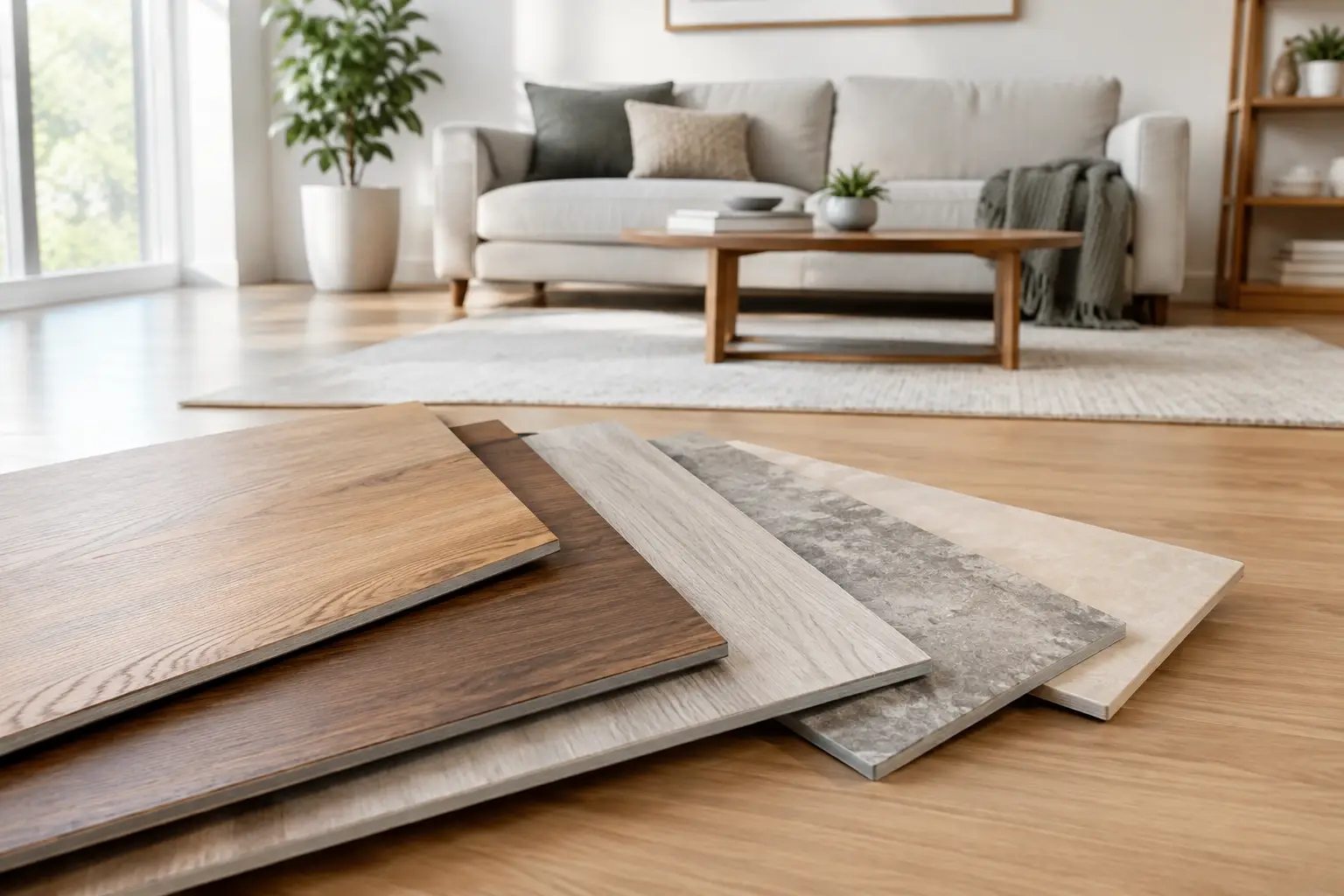
What Flooring Lasts Longest Indoors? Top Choices
A floor can look great on installation day and still become the weakest part of a renovation within a few years. Scratches, moisture, shifting subfloors, heavy furniture, pets, and constant foot traffic all reveal whether the material and installation were truly built to last. If you are asking what flooring lasts longest indoors, porcelain tile is usually the strongest all-around answer for Central Florida homes and commercial interiors. The right choice, however, depends on where the floor will go, how it will be used, and how well the surface is prepared before installation.
What flooring lasts longest indoors?
For most indoor spaces, professionally installed porcelain tile offers the best combination of longevity, moisture resistance, scratch resistance, and low maintenance. A quality porcelain floor can perform for decades – often 50 years or more – without losing its structure or appearance when it is installed over a properly prepared substrate.
Natural stone can last even longer in the right conditions, and it brings a premium look that many owners value. But stone requires more maintenance and may need sealing, polishing, or repairs over time. Luxury vinyl flooring is another high-performing option, especially for clients who want a faster installation, a warmer feel underfoot, and strong water resistance at a more accessible price point. Its expected service life is generally shorter than tile or stone, but quality vinyl can still deliver many years of reliable use.
The longest-lasting floor is not simply the hardest material in a showroom. It is the material that matches the room, the traffic level, the moisture exposure, and the condition of the subfloor.
Porcelain tile: the long-term performance leader
Porcelain tile is dense, fired at high temperatures, and made to handle daily wear. It resists water, stains, dents, and most scratches far better than wood, laminate, or standard vinyl. That makes it a strong fit for kitchens, bathrooms, laundry rooms, entryways, living areas, rental properties, and high-traffic commercial spaces.
For Florida properties, porcelain has another major advantage: humidity is not a threat to the material itself. Unlike solid hardwood, it does not expand and contract dramatically with seasonal moisture changes. It also handles wet shoes, pool traffic, spills, and routine cleaning without the concern of swelling or warping.
Not all tile installations perform the same. Tile can crack when the slab or subfloor is uneven, when old flooring residue remains, when the wrong mortar is used, or when movement joints are ignored. Professional floor removal and surface preparation are not optional details. They are the foundation of a durable installation.
Why porcelain outlasts many alternatives
A porcelain floor has no surface coating that can wear away like a prefinished wood floor or some laminate products. Through-body porcelain can retain its appearance even if it receives a small chip. High-quality glazed porcelain also offers exceptional design flexibility, including convincing marble, concrete, wood, and stone looks without the maintenance demands of those natural materials.
The trade-off is installation complexity. Tile takes skilled layout, accurate cuts, proper leveling, and adequate cure time. It is also harder underfoot than vinyl and can feel cooler, although area rugs and appropriate footwear solve that concern for many homeowners.
Natural stone: unmatched lifespan with higher maintenance
Marble, granite, travertine, and other natural stone floors can last for generations. Historic buildings prove that stone has remarkable staying power when it is properly selected, installed, and maintained. For luxury homes, upscale lobbies, and statement bathrooms, natural stone delivers a depth and character that manufactured materials cannot fully duplicate.
Marble is especially valued for its polished visual impact, but it is not automatically the best option for every room. It can etch when exposed to acidic products, stain if it is not sealed correctly, and show wear in busy areas. Travertine and softer stones also require careful maintenance. A property owner who wants the longest possible service life must be ready to treat stone as a finish that deserves ongoing care, not a maintenance-free surface.
Stone also demands a stable, well-prepared base. Large-format stone pieces can be less forgiving than standard tile if the substrate has dips, movement, or weak areas. When installed correctly, though, stone can become a lasting asset that supports property value for decades.
Luxury vinyl: durable, practical, and comfortable
Luxury vinyl plank and luxury vinyl tile have become popular because they solve practical renovation problems. They are water-resistant or waterproof depending on the product and installation system, softer underfoot than tile, and available in a wide range of realistic wood and stone visuals. For bedrooms, offices, occupied rental units, and quick-turn commercial updates, vinyl can be a smart performance choice.
A premium vinyl floor with a thick wear layer can handle pets, children, and normal residential traffic well. It is also easier and less expensive to replace than tile if a section becomes damaged. In the right environment, quality luxury vinyl may last 15 to 25 years.
Its limitation is wear layer thickness. Once the protective surface is deeply scratched, gouged, or worn through, the product cannot be refinished like real hardwood or restored like natural stone. Heavy rolling loads, sharp furniture legs, direct sunlight, and uneven subfloors can also shorten its life. Vinyl performs best when the existing floor is removed cleanly and the surface below is smooth and dry.
Other flooring options and where they fit
Hardwood brings warmth and can be refinished several times, giving it a potentially long life in dry, controlled interiors. Still, it is vulnerable to water, humidity, scratches, and termite concerns. In Florida, it is best reserved for low-moisture rooms and owners who are comfortable with routine care.
Engineered wood offers greater stability than solid hardwood, but its lifespan depends on the thickness of its top veneer and the quality of the core. It can be an excellent design choice, yet it is not the first recommendation for bathrooms, laundry rooms, or entry areas exposed to moisture.
Laminate has improved substantially in appearance and scratch resistance, but it remains more sensitive to water intrusion than porcelain, stone, or waterproof vinyl. It can be a value-focused option for dry rooms, but it is rarely the longest-lasting choice for a whole-home renovation.
Polished concrete can last a very long time in homes or commercial properties built on concrete slabs. It is exceptionally tough and modern-looking, but it may require crack management, moisture evaluation, and surface maintenance. It is also not ideal for every design style or comfort preference.
The installation determines whether the floor reaches its lifespan
Even the best flooring product can fail early when installation steps are rushed. Adhesive failure, hollow-sounding tile, cracked grout, loose planks, uneven transitions, and moisture damage usually point back to preparation problems rather than a bad-looking material choice.
Before new flooring goes down, the existing material may need professional removal. Adhesive, thinset, old mortar beds, damaged underlayment, and uneven concrete must be addressed so the new floor has a stable base. Moisture testing matters on concrete slabs, particularly for vinyl, wood, and certain adhesive systems. Tile and stone require a flat surface, correct setting materials, and proper movement joints to reduce stress from building movement.
This is where an integrated removal, preparation, and installation team creates real value. Instead of treating demolition as a separate task, the work can be planned around the exact requirements of the new finish. Rox Floor helps clients move from old flooring removal to surface preparation and high-quality installation with one accountable team.
Choose by room, not just by appearance
Bathrooms, kitchens, mudrooms, and pool-adjacent areas benefit from porcelain tile or carefully selected waterproof vinyl because moisture is part of daily life. Living rooms and hallways with heavy traffic favor porcelain, stone, or premium vinyl depending on comfort and budget. For rental properties, porcelain may offer the lowest long-term replacement risk, while vinyl can be the practical choice when speed, cost control, and easy future repairs matter most.
Commercial spaces require an even more direct assessment. Consider foot traffic, cleaning chemicals, rolling carts, slip resistance, acoustics, and downtime. A floor that lasts longest is one that continues performing under the actual conditions of the business, not one chosen only for its initial appearance.
A premium floor should still look intentional years after the renovation is complete. Start with the room’s demands, invest in proper removal and preparation, and choose an installer who treats durability as part of the job – not an upgrade.