
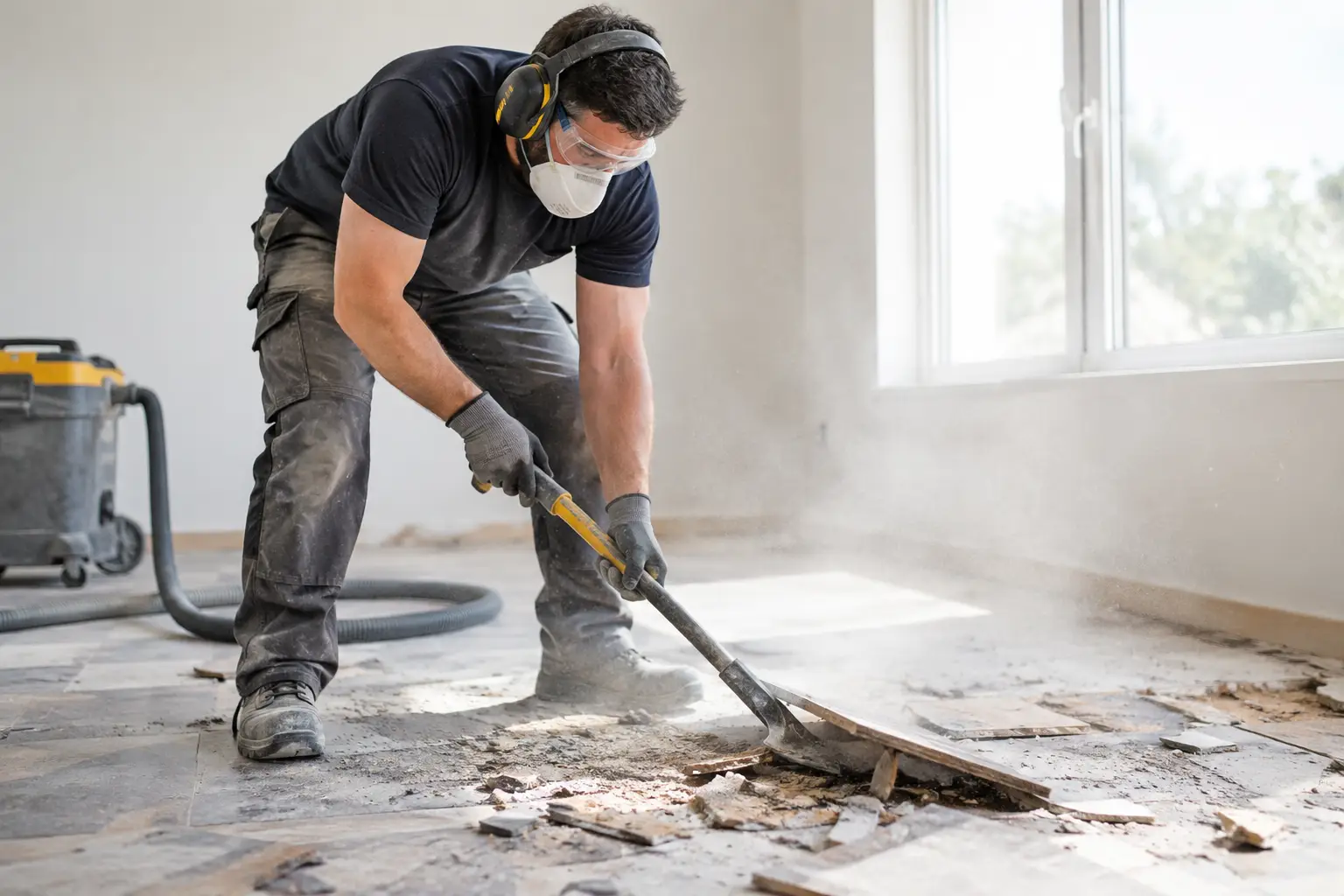
Does Floor Removal Create Dust? What to Expect
A flooring project can look simple from the outside: remove the old material, prepare the slab, install the new finish. But homeowners and property managers often ask one practical question before work begins: does floor removal create dust? Yes, it can. The amount depends on the flooring material, the adhesive underneath, the condition of the subfloor, and the equipment used. The difference between a messy demolition job and a controlled renovation comes down to planning, containment, and professional surface-preparation methods.
For occupied homes, rental turnovers, retail spaces, and commercial interiors, dust control is not an optional detail. It protects the property, keeps adjacent areas cleaner, helps maintain a safer jobsite, and prevents a small flooring upgrade from disrupting the entire building.
Does Floor Removal Create Dust in Every Project?
Nearly every removal project produces some airborne particles, but not every project creates the same level of dust. Pulling up loose carpet and padding is generally low-dust work. Removing glued-down vinyl, ceramic tile, thinset, hardwood, laminate, or old flooring adhesive can generate substantially more dust, especially when the concrete slab requires grinding or leveling afterward.
Tile removal is one of the most demanding phases. Breaking tile releases fragments, while scraping thinset from the slab can create fine mineral dust. Old adhesives may also be stubborn enough to require mechanical removal. Hardwood can create sawdust when sections must be cut apart, and laminate can produce debris from broken planks and underlayment.
The key point is straightforward: dust is expected during floor removal, but excessive dust spreading through a property is not. An experienced crew controls the work area before demolition starts rather than trying to clean up the problem afterward.
What Creates the Most Dust During Floor Removal?
The old floor itself is only part of the equation. In many renovation projects, surface preparation creates more fine dust than the initial demolition. Once tile, vinyl, or wood is removed, installers need a clean, flat, sound surface for the next floor to perform correctly.
Concrete grinding is a common source of fine dust. It may be necessary to remove adhesive residue, smooth high spots, open the surface for bonding, or correct uneven areas before tile, vinyl, or other new flooring is installed. This work should be completed with commercial-grade equipment connected to proper dust collection.
Dust levels can also increase when a floor has multiple layers. A property may have vinyl installed over old tile, carpet over glued wood, or layers of adhesive left from previous renovations. The more material that must be separated from the slab or subfloor, the more preparation the job requires.
Moisture, age, and past installation quality matter too. A floor that is already loose may come up relatively cleanly. A floor bonded aggressively to concrete takes more force, more mechanical removal, and more attention to containment.
How Professional Crews Control Dust
Premium floor removal is not just about removing material quickly. It is about protecting the rest of the property while the work is happening. A professional crew evaluates the room layout, access points, HVAC returns, occupied areas, and the next installation phase before selecting a removal method.
Containment is the first line of defense. Crews can isolate the work zone with plastic barriers and seal openings that allow dust to travel into hallways, bedrooms, offices, or finished areas. HVAC vents in the affected space may need protection so particles do not enter the system and circulate through the building.
The right equipment matters just as much. HEPA-filtered vacuums and dust-extraction systems capture fine particles at the source, particularly during grinding, scraping, and concrete preparation. Professional demolition tools help remove flooring efficiently, while integrated vacuum systems reduce the amount of airborne dust created during the process.
A clean worksite also requires frequent debris removal. Broken tile, wood pieces, old pad, adhesive scrapings, and loose material should be collected continuously instead of being allowed to build up across the room. This keeps pathways safer and reduces the chance of debris being tracked into clean areas.
No contractor should promise a completely dust-free demolition. That is not realistic for every material or site condition. The professional standard is controlled dust: a contained work area, source capture when equipment allows it, protected adjacent spaces, and detailed cleanup at the end of each work phase.
Why “Dustless” Can Be Misleading
The term “dustless” is often used in renovation marketing, but clients should understand what it means in practice. Modern extraction equipment can dramatically reduce airborne dust, especially during concrete grinding. It cannot eliminate every particle created by breaking old tile, lifting damaged flooring, opening hidden layers, or moving debris out of the property.
A trusted contractor sets clear expectations. There may be minor dust inside the contained work area, and some final wipe-down or cleaning is normal after demolition. What clients should not accept is uncontrolled debris throughout the home, open vents near grinding work, or a crew that begins removal without discussing protection measures.
How to Prepare Your Property Before Removal Starts
A few decisions before the crew arrives can make the project cleaner and faster. Remove small furniture, electronics, wall décor, clothing, and personal items from the work zone. If a large item cannot be moved, discuss protection and access with the contractor in advance.
Close or protect rooms that are not part of the renovation, especially spaces with fabrics, open shelving, or sensitive equipment. Property managers should also notify tenants or occupants about the work schedule, access restrictions, and expected noise. Floor removal is active construction work, so planning for pets, children, and daily traffic is essential.
For commercial locations, schedule the noisiest removal and grinding work around customer hours whenever possible. This is especially valuable for offices, retail stores, restaurants, and occupied multifamily properties, where an organized schedule can reduce disruption as much as physical dust barriers do.
Do not run your HVAC system through an unprotected demolition area unless the project team has confirmed it is safe to do so. Airflow can move fine particles farther than expected. If the system must stay on, proper vent protection and containment become even more important.
The Cleanup Standard After Floor Demolition
Cleanup should be built into the scope of work, not treated as an afterthought. After the old material is removed, the team should collect debris, vacuum the work area, and prepare the substrate for the next step. Depending on the project, that may mean adhesive removal, crack repair, moisture testing, leveling, grinding, or installing an underlayment.
This is where an integrated flooring company adds real value. When one team handles removal, surface preparation, and installation, there is less risk of handoffs, schedule gaps, or a poorly prepared slab that compromises the new floor. The removal phase is not separate from the final result. It directly affects how well new ceramic tile, vinyl, marble, or other flooring will bond and perform.
At Rox Floor, the focus is on controlled demolition and high-quality preparation that supports a durable installation. That approach is especially valuable in Central Florida properties, where renovation timelines often involve occupied homes, rental deadlines, and fast-moving commercial projects.
When You Should Ask More Questions About Dust
Some projects need additional evaluation before removal begins. Older properties may contain materials that require testing or specialized handling. Water damage, mold concerns, loose concrete, extensive adhesive buildup, or unusually uneven slabs can also change the scope of work.
Ask how the crew will contain the area, what dust-collection equipment will be used, whether HVAC openings will be protected, and how debris will be removed. You should also ask what surface-preparation work is expected after demolition. Clear answers before work starts lead to better scheduling, more accurate pricing, and fewer surprises once the old floor is gone.
A professional removal plan protects more than your furniture and air quality. It protects the quality of the new installation. When your flooring project begins with controlled demolition, proper cleanup, and expert substrate preparation, the next phase can move forward with confidence instead of costly corrections.