
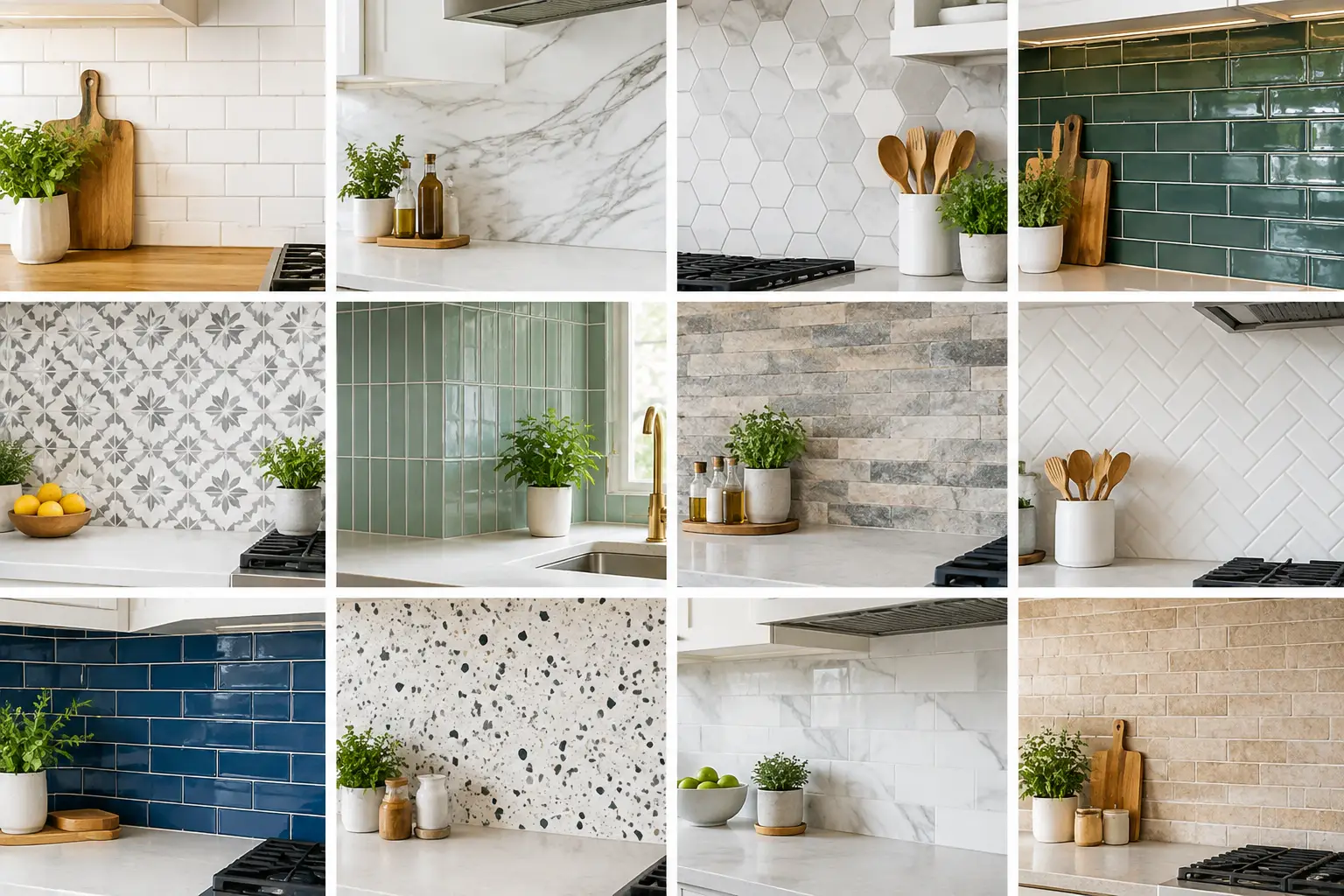
12 Kitchen Backsplash Tile Ideas That Last
A backsplash is a working surface, not just a finishing touch. It takes daily exposure to heat, grease, water, and cleaning products, so the best kitchen backsplash tile ideas combine a strong visual statement with materials and installation details built to hold up. The right tile can make dated cabinets feel current, brighten a compact kitchen, or give a high-end remodel the polished finish buyers notice.
For Central Florida homeowners, humidity, active households, rental turnover, and resale goals all affect the right choice. Color matters, but so do grout joints, edge finishes, wall condition, and how the backsplash connects to the countertop. Start with a look you will enjoy, then choose the material and layout that make sense for how the kitchen is actually used.
Start With the Countertop and Cabinets
Backsplash tile should support the major finishes already in the room. If the countertop has pronounced movement, such as veined quartz, granite, or marble, a quieter backsplash usually delivers the stronger result. A simple white or warm off-white field tile lets the countertop remain the focal point without making the kitchen feel busy.
When cabinets and counters are more understated, the backsplash can take on more personality. Think textured ceramic, deep green tile, a geometric pattern, or a full-height slab-look porcelain installation. The goal is balance. Every surface does not need a competing pattern.
Also consider where the tile will stop. A standard backsplash typically runs from the countertop to the upper cabinets. Extending it to the ceiling behind a range hood, around open shelving, or across a beverage station can create a more custom appearance. It also adds labor and material, so it is best planned before installation begins.
Kitchen Backsplash Tile Ideas for Different Styles
1. Classic white subway tile
White subway tile remains a dependable choice because it works with almost any cabinet color and adapts to changing decor. A traditional running-bond layout feels familiar and clean, while a stacked layout looks more contemporary. Choose a warm white with cream cabinets or warm countertops, and a bright white with crisp modern finishes.
The trade-off is that standard white subway tile is common. Elevate it with handmade-style variation, a longer 3-by-12 format, a glossy finish, or carefully selected grout.
2. Vertical stacked tile
Turning rectangular tile vertically makes a kitchen feel taller and more current without requiring an expensive specialty material. This layout performs especially well in kitchens with low ceilings or narrow walls between upper cabinets.
Use a close grout match for a calm, continuous look. Use contrasting grout only when you want each tile shape to stand out, since every joint becomes part of the design.
3. Large-format porcelain
Large-format porcelain is one of the most practical choices for a streamlined kitchen. Fewer grout lines mean easier cleaning, and porcelain offers excellent resistance to moisture and staining. Marble-look, concrete-look, and soft limestone-look porcelain can create a premium result without the maintenance concerns of natural stone.
Large pieces demand a flat, properly prepared wall. Uneven drywall, old adhesive, or surface damage can affect alignment and create visible lippage. Surface preparation is not the place to cut corners.
4. Zellige-inspired ceramic tile
Handcrafted-look ceramic tile brings warmth and movement to white, wood-tone, and transitional kitchens. Its slight variations in color, glaze, and edge shape create character that factory-perfect tile does not always offer.
This style is not for every project. Variation is intentional, and installers need to blend tiles from multiple boxes before setting them. Homeowners who expect perfectly uniform color and spacing may be happier with a more consistent ceramic or porcelain option.
5. Marble mosaic accents
Marble mosaics add refinement in small doses. A marble herringbone panel behind the range, for example, can become a focal point while a simpler field tile covers the remaining walls. This approach gives the kitchen a custom look without covering every inch in premium material.
Natural marble needs sealing and more careful cleaning than porcelain. Avoid harsh acidic products, and understand that real stone can develop patina over time. That is part of its appeal for some owners and a drawback for others.
6. Deep green or navy tile
Rich color is one of the strongest kitchen backsplash tile ideas for homeowners who want a memorable remodel. Glossy emerald, forest green, navy, or charcoal tile pairs well with light oak, white, cream, and black cabinetry. These colors can make a basic kitchen feel more designed and intentional.
Color works best when lighting is considered first. Dark tile can absorb light in a kitchen with limited natural daylight. Under-cabinet lighting helps reveal the glaze and prevents the wall from feeling flat or heavy.
7. Matte black tile
Matte black backsplashes bring a clean architectural edge to modern kitchens. They work particularly well with light countertops, brushed brass hardware, and warm wood cabinets. Black hexagons, slender stacked rectangles, or large matte porcelain panels each create a different level of visual drama.
Keep in mind that matte dark surfaces may show dust, cooking residue, and hard-water marks more readily than a light glossy tile. Good ventilation and routine cleaning are essential.
8. Soft neutral handmade-look tile
Beige, sand, mushroom, and pale taupe have replaced the all-gray palette in many current renovations. These shades feel warmer than cool white while remaining flexible enough for long-term ownership. A soft neutral ceramic tile is an excellent fit for kitchens with warm white cabinets, travertine-inspired flooring, or wood details.
This is a strong choice for investment properties and resale-focused remodels because it feels updated without becoming too personal or trend-specific.
9. Herringbone layout
Herringbone gives simple rectangular tile more movement. It can be installed across the full backsplash, behind the range only, or inside a framed feature area. The pattern feels elevated, but it requires more cuts and careful layout than a standard stacked or running-bond installation.
Expect more material waste and labor. It is worth the investment when the backsplash is a major visual feature, especially in an open kitchen where it can be seen from the living area.
10. Hexagon tile
Hexagon tile offers a geometric look that can feel playful, modern, or classic depending on size and color. Small white hexagons have timeless appeal, while oversized hexagons in muted green or gray make a bolder statement.
Because hex tile has more grout joints, grout selection matters even more. A stain-resistant grout and professional sealing approach can reduce cleaning demands in high-use areas near the range and sink.
11. Full-height backsplash behind the hood
A full-height installation behind the range hood creates a defined focal point. Continue the same tile from countertop to ceiling, or use a special mosaic, marble-look porcelain, or contrasting pattern only in that zone. This works well when upper cabinets do not extend across the entire wall.
Plan the hood, outlet locations, and tile layout together. A centered pattern can look off-balance if electrical boxes or hood dimensions are treated as an afterthought.
12. Slab-look porcelain panels
For a nearly grout-free luxury appearance, slab-look porcelain panels deliver dramatic veining and easy-clean performance. They are a smart alternative for homeowners who love the visual impact of marble but prefer a more durable surface.
Panel installation is specialized work. Walls must be measured precisely, prepared carefully, and handled by an experienced team. The upfront investment is higher, but the finished result can transform a kitchen into a premium, cohesive space.
Grout, Edges, and Preparation Make the Difference
Even premium tile can look disappointing when the details are ignored. Grout color changes the entire read of a backsplash: matching grout softens the pattern, while contrast makes the layout more graphic. For busy family kitchens and rental properties, mid-tone grout often hides everyday splashes better than bright white.
Finish exposed tile edges with a coordinated trim piece, metal profile, or a carefully planned return. Avoid raw tile edges at the end of a run, around windows, or beneath cabinets where the unfinished side will be visible. These small decisions separate a basic tile job from a clean, professional installation.
Wall preparation is equally important. Existing backsplash removal can reveal damaged drywall, uneven surfaces, old mastic, or hidden gaps around outlets. Correcting those issues before tile installation protects the final layout and helps ensure proper adhesion. Rox Floor handles removal, surface preparation, and tile installation as one coordinated scope, which keeps responsibility clear from the first quote through final finishing.
Choose a Backsplash That Fits How You Live
The most successful backsplash is not always the boldest one in a showroom. A busy household may benefit from porcelain and fewer grout lines. A homeowner planning to sell may prefer warm neutrals with broad appeal. Someone remodeling a long-term home may decide a rich green handmade-look tile is worth the extra care because it reflects their style.
Before making a final selection, view samples next to the countertop and cabinets in the kitchen’s actual lighting. Check them in the morning, at night, and with under-cabinet lights on. Then invest in the preparation and installation quality that lets your chosen tile look right for years, not just on day one.