
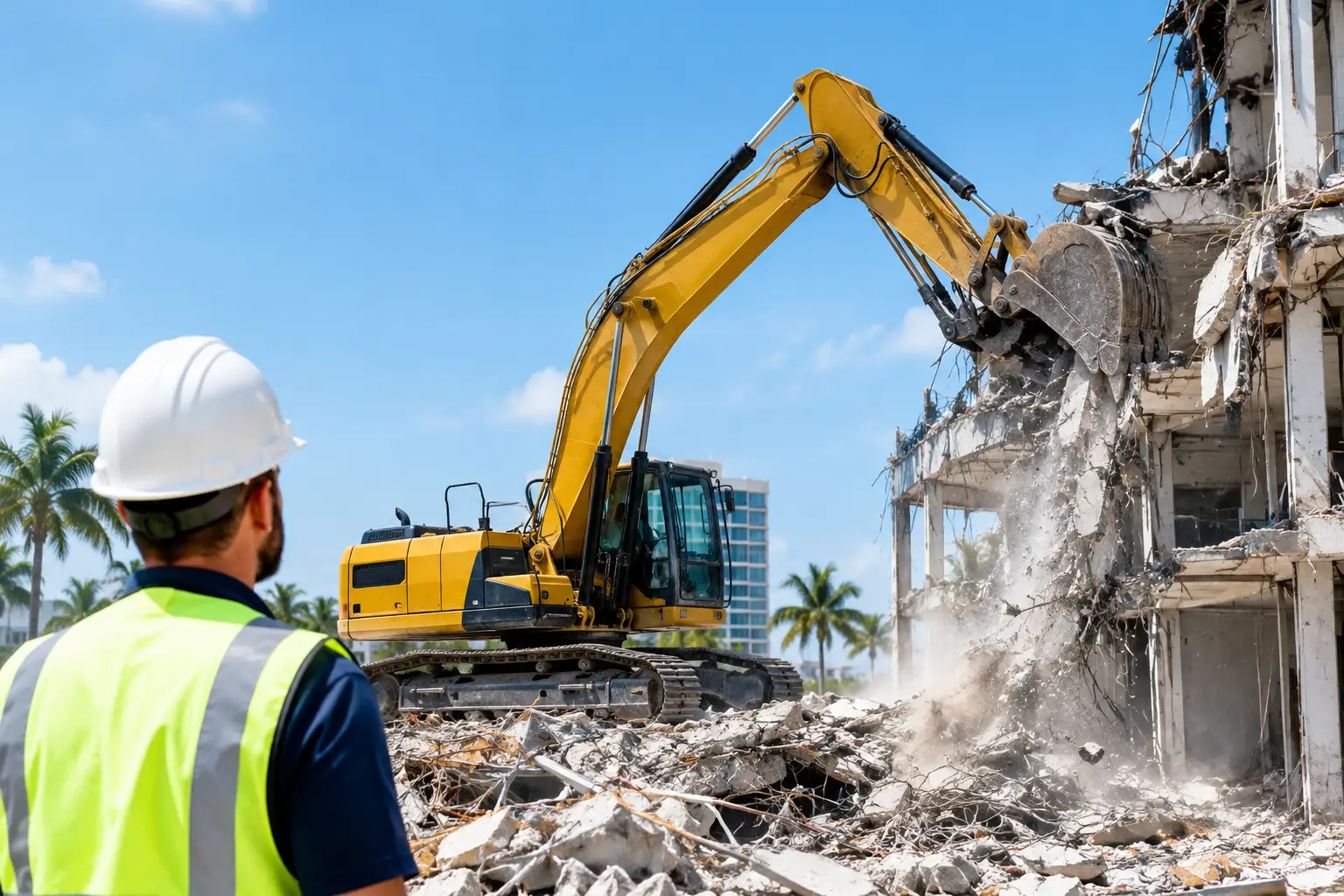
Florida Commercial Demolition Services That Deliver
A commercial renovation can lose momentum before the first new finish is installed. Old tile, damaged flooring, built-out counters, failing drywall, adhesive residue, and debris all have to go before a space can move forward. Florida commercial demolition services give property owners, contractors, and managers a clean, controlled starting point for the work that follows.
For offices, retail spaces, restaurants, medical suites, multifamily properties, and other commercial interiors, the goal is not simply to remove materials. The goal is to prepare the site for the next phase with less downtime, fewer surprises, and a finish-ready surface. That takes an experienced team, the right equipment, and a clear plan from the first walkthrough.
What Commercial Interior Demolition Should Accomplish
Commercial demolition is often treated as the rough stage of a renovation. In reality, it directly affects the quality, schedule, and cost of the completed project. Poor removal work can leave behind uneven concrete, stubborn adhesive, hidden damage, or debris that delays every contractor who comes next.
A professional demolition crew works with the end result in mind. That means protecting areas that will remain, removing only what the scope requires, handling debris efficiently, and preparing floors and surfaces for new materials. Whether the project calls for ceramic tile, vinyl plank, marble, carpet, laminate, or another finish, the substrate must be properly exposed and evaluated first.
For commercial clients, this approach creates practical value. A cleaner jobsite supports faster installation. Proper surface preparation helps new flooring perform as intended. Organized removal also makes it easier for property managers and general contractors to keep multiple trades on schedule.
Florida Commercial Demolition Services for Active Properties
Commercial properties do not always have the luxury of closing for weeks at a time. A retail tenant may need to reopen quickly. An apartment turnover may have a narrow deadline. An office renovation may need to avoid disrupting neighboring suites. The right demolition plan depends on the building, the materials being removed, access limitations, and the project timeline.
Interior demolition services can include floor removal, tile demolition, carpet and adhesive removal, baseboard removal, cabinet and vanity removal, drywall removal, bathroom demolition, kitchen demolition, and the removal of non-structural interior components. For many renovation projects, combining these services with floor preparation and installation reduces handoffs between separate providers.
Rox Floor supports Central Florida clients with this integrated approach. Instead of coordinating one team for removal and another for flooring installation, clients can move from demolition to surface preparation to high-quality new finishes with one experienced partner.
Floor Removal Requires More Than Muscle
Removing commercial flooring is demanding work, but speed alone is not a measure of quality. Tile, thinset, vinyl, carpet glue, epoxy coatings, wood flooring, and underlayment all require different removal methods. The wrong approach can damage the slab, create excessive dust, or leave a surface that is not ready for installation.
Concrete substrates deserve particular attention. After old flooring is removed, the surface may reveal cracks, low spots, moisture concerns, previous patching, or layers of adhesive. Some conditions can be addressed through grinding, scraping, patching, or leveling. Others may require a broader discussion with the property owner, installer, or general contractor before new flooring is installed.
This is where experience protects the budget. Identifying surface issues early gives the project team time to make a sound decision rather than discovering a problem when the new material is already on site.
A Clear Process Keeps the Project Moving
Reliable commercial demolition begins with a detailed scope. Before work starts, the team should understand what materials are being removed, what must remain protected, where debris will travel, what access is available, and which deadlines matter most. A strong plan reduces avoidable delays once the job is underway.
The process typically starts with an on-site assessment and quote. This is the time to discuss the square footage, floor type, occupied areas, elevator or loading access, disposal needs, and desired schedule. If the property is active, work hours and noise limitations should be addressed upfront.
Next comes site protection and containment. The level of protection depends on the project. In a vacant retail shell, the work may move quickly with fewer restrictions. In a medical office, occupied multifamily building, or tenant-occupied commercial property, protecting adjacent areas and managing dust may require more coordination.
Then comes removal and debris handling. Productive crews maintain a safe work area, remove materials efficiently, and keep the site organized rather than allowing debris to build up around the project. Once removal is complete, the floor or surface is assessed for preparation needs before the installation phase begins.
The Value of One Team for Removal and Installation
Hiring separate companies for demolition, floor preparation, and installation can work, but it also creates more opportunities for miscommunication. One contractor may say the slab is ready while the next contractor finds adhesive residue or uneven areas that require additional work. Scheduling can shift, costs can change, and responsibility can become unclear.
A full-service provider brings greater continuity to the project. The team removing the old material understands what the installation team needs from the surface. That connection helps create a more accurate scope and a more practical schedule.
For property managers and investors, this can be especially useful during turnovers and renovation programs. A single point of contact simplifies communication while helping keep demolition, preparation, and new flooring aligned. It does not eliminate every project variable, but it gives the work a stronger operational foundation.
Choosing the Right Commercial Demolition Partner
The lowest demolition quote is not always the best value. A low price can become expensive if the crew damages areas that should have been protected, leaves the slab in poor condition, falls behind schedule, or creates cleanup work for the next contractor.
Look for a provider that can explain the scope clearly and speak directly about the materials involved. They should be prepared to discuss timing, debris removal, floor conditions, protection of surrounding finishes, and what happens if hidden issues are found after removal begins. Clear answers are a sign of organized work.
Commercial clients should also consider whether the provider can complete the next phase. If new tile, vinyl, marble, or other flooring is part of the project, working with a demolition contractor that also understands installation requirements can prevent costly gaps between phases.
Questions Worth Asking Before Work Begins
Ask what is included in the removal scope and what is excluded. Confirm whether disposal, adhesive removal, surface grinding, patching, and final cleanup are included or priced separately. Discuss access requirements, work hours, parking, elevator use, and any building rules that affect the schedule.
It is also smart to ask how the team handles unexpected conditions. Hidden moisture damage, extra flooring layers, weak subfloors, or stubborn adhesive can change the work required. A professional partner will explain the likely options and keep decisions moving instead of allowing surprises to stall the job.
Build the Next Phase on a Better Surface
Commercial renovation projects move faster when the removal phase is handled with discipline. Clean demolition, proper floor preparation, and skilled installation are connected parts of the same result: a space that is ready to perform, present well, and hold up under daily use.
If your property needs floor removal, interior demolition, surface preparation, or new flooring installation, start with a clear scope and a team built for the full job. A detailed quote gives you a practical path forward and helps turn an outdated commercial space into a renovation-ready opportunity.