
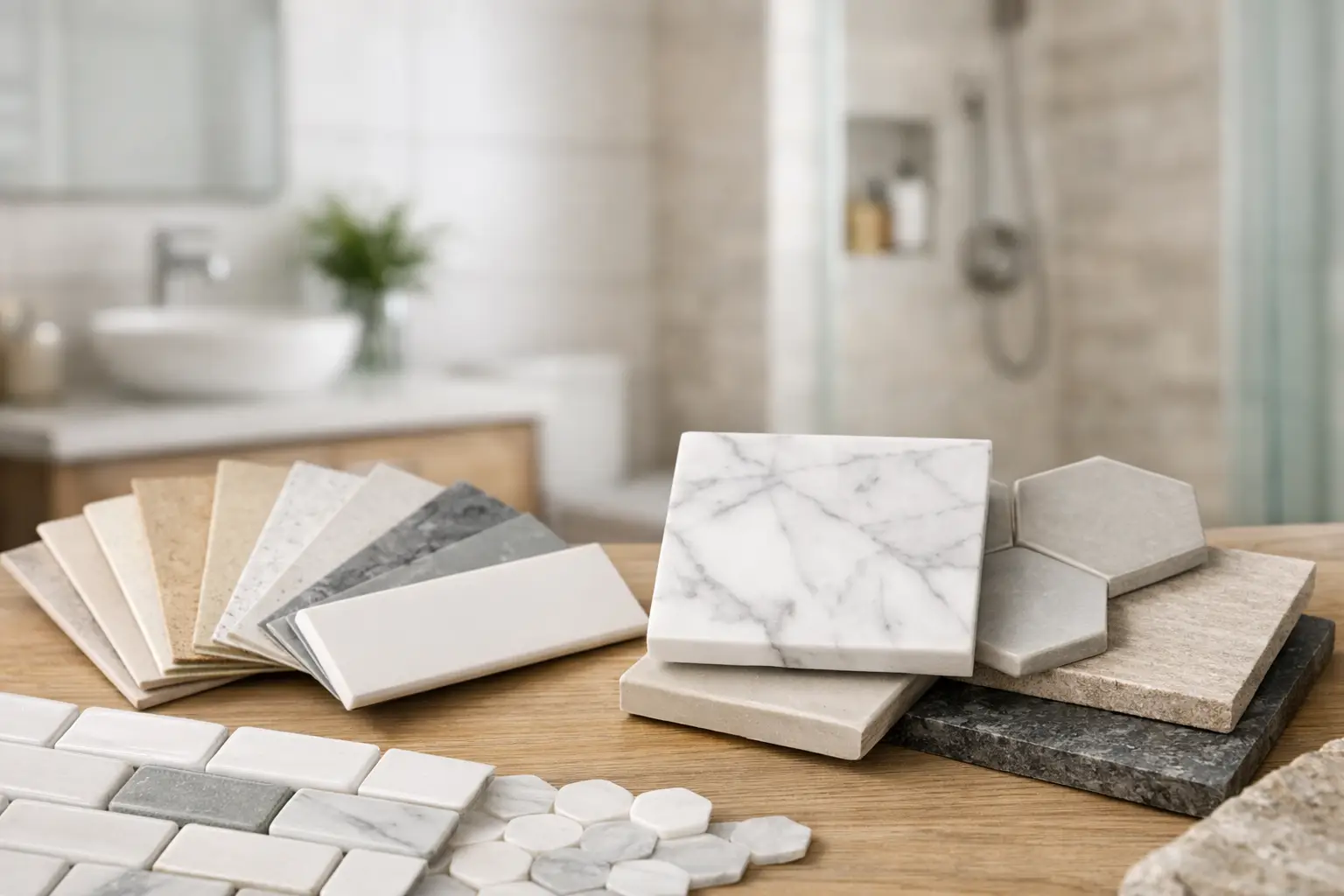
How to Choose Bathroom Tile for Lasting Style
A bathroom tile sample can look perfect under showroom lighting and completely different once it is covering a humid shower floor, reflecting light from a small window, and meeting daily foot traffic. Knowing how to choose bathroom tile means looking beyond color. The right selection must handle water, provide safe footing, suit the room’s proportions, and support the level of maintenance you are willing to take on.
For homeowners, property managers, and investors, tile is not just a design choice. It is a long-term surface decision that affects cleaning, resale appeal, repair costs, and the overall quality of a bathroom remodel.
Start With Where the Tile Will Be Installed
Walls, shower floors, main bathroom floors, and tub surrounds do not have the same requirements. A tile that works beautifully on a dry accent wall may be the wrong choice underfoot in a walk-in shower.
For bathroom floors, prioritize durable porcelain or ceramic tile with a finish designed for traction. Porcelain is especially popular because it absorbs very little water, holds up well to traffic, and comes in styles that replicate stone, concrete, wood, and other premium materials. Ceramic can also be an excellent value for walls and lower-traffic areas, but product quality and rating matter.
A shower floor needs extra attention. Smaller tile formats are often a practical choice because more grout joints create additional grip and help the surface follow the slope toward the drain. Large-format tile can work in certain shower designs, but it requires careful planning, accurate cuts, and a properly prepared substrate. This is not an area for shortcuts.
Natural stone brings a high-end look, but it has trade-offs. Marble, travertine, and other stones may require sealing and more consistent maintenance. They can also vary in slip resistance and react differently to common bathroom products. If you want the stone look with simpler care, porcelain stone-look tile is often the smarter long-term choice.
How to Choose Bathroom Tile With Safe Traction
A glossy finish can make a bathroom feel bright and polished, especially on walls. On a floor, however, gloss can become slick when water, shampoo, or condensation is present. Safety should lead the decision in family bathrooms, rental properties, aging-in-place remodels, and commercial restrooms.
Look for floor tile with an appropriate slip-resistance rating and ask your installer or supplier whether the specific product is suitable for wet interior floors. Do not assume that a tile labeled “bathroom tile” is suitable for every bathroom surface. Product use recommendations are more useful than appearance alone.
Matte, textured, and lightly structured finishes generally offer better grip than highly polished surfaces. The best option depends on the room. A powder room with no shower has different demands than a primary bathroom used by several people every day. In a shower, traction matters even more.
Keep cleaning in mind, too. Deeply textured tile may provide excellent grip but can collect soap residue more easily. The goal is a surface that is safe without becoming difficult to maintain.
Choose the Right Size for the Room and Layout
Tile size changes how a bathroom feels. Large-format tile can make a compact bathroom look more open because there are fewer grout lines breaking up the floor. It also creates a clean, modern appearance that many buyers and homeowners prefer.
But bigger is not automatically better. In a small bathroom with many corners, plumbing penetrations, or an angled layout, oversized tile can create more cuts and waste. If the room is out of square, the installation becomes even more demanding. Skilled layout planning is what makes the final floor look intentional rather than pieced together.
Mosaic tile is ideal for shower floors, niches, and decorative details. It offers flexibility around drains and curves, but the added grout lines require more cleaning. Mid-size rectangular tile is a strong all-around option because it works on both walls and floors and gives installers room to create balanced patterns.
Before ordering, consider where full tiles will land. A professional layout avoids narrow slivers along a focal wall, doorway, vanity, or shower curb. This detail separates a premium installation from a project that merely looks finished.
Pattern Direction Matters
Rectangular tile can be installed straight, stacked, offset, herringbone, or vertically on walls. Each pattern changes the visual effect and installation complexity. A straight stack is crisp and contemporary. A running bond can soften the look, while herringbone creates a more custom appearance but requires more material, cuts, and labor.
For wood-look planks, check the manufacturer’s recommendations for offset patterns. Many long tiles have slight natural bowing, and a 50 percent offset can make uneven edges more visible. A one-third offset is often the better technical choice.
Pick a Color That Works in Real Bathroom Light
White and light neutral tile remain dependable because they make bathrooms feel clean, bright, and broadly appealing. They are especially effective in smaller rooms and properties prepared for resale. That does not mean every bathroom should be plain white.
Warm beige, sand, soft gray, and greige tones can add depth without making the room feel dark. Deep blue, green, charcoal, or black tile can create a dramatic result, particularly on a feature wall or in a large, well-lit bathroom. In a small space, use darker colors strategically so the room still feels open.
Always view samples in the actual bathroom. Natural light, vanity lighting, paint color, and the undertones of countertops or cabinets can change how tile reads. A cool gray tile may look blue beside warm white cabinetry. A creamy tile may appear yellow next to bright white fixtures.
Variation is another decision point. Stone-look and handmade-look tiles often have shade changes from piece to piece. That variation can look rich and natural, but it should be reviewed before installation. Open multiple boxes and dry-lay a section so the distribution looks balanced across the room.
Do Not Treat Grout as an Afterthought
Grout changes the final look as much as the tile itself. Matching grout creates a quieter, more continuous surface. Contrasting grout highlights the pattern and individual tile shape. Neither is always better. It depends on whether you want the tile layout to blend in or stand out.
For a busy household or rental property, very light grout on a floor can show discoloration over time. Mid-tone grout is often the practical middle ground. Dark grout can hide dirt but may show mineral residue or soap film in some wet areas.
Grout joint size also matters. Tile with rectified edges can typically use narrower joints, creating a more refined look. Tiles with irregular or handmade edges require wider joints to accommodate their shape. Use the joint width recommended for the product and never force tiles too tightly together to chase a minimal-joint trend.
In wet areas, quality waterproofing, proper grout installation, and flexible sealant at changes of plane matter more than grout color. Tile and grout are not waterproof by themselves. The protection behind them is what helps prevent expensive moisture damage.
Budget for the Full Tile System
The price on the tile box is only one part of the project. A reliable bathroom tile budget includes demolition, disposal, subfloor or wall preparation, waterproofing, setting materials, grout, trim pieces, labor, and a waste allowance for cuts and future repairs.
Cheap tile can become expensive if it has inconsistent sizing, limited trim options, or a pattern that creates excessive waste. On the other hand, the most expensive material is not always necessary. A well-selected porcelain tile installed over a properly prepared surface can deliver a premium result and excellent value.
Existing conditions affect the price as well. Old flooring may hide cracked concrete, water damage, loose backer board, or multiple layers of previous material. Addressing those issues before new tile is installed protects the investment. Installing over an uneven or compromised surface can lead to cracked grout, loose tiles, and avoidable callbacks.
Work With a Team That Plans the Details
The best tile choice can still fail if the substrate is not flat, the shower is not waterproofed, or the layout is rushed. Professional installation starts with removal and surface preparation, not the first tile on the wall. That is why a full-service approach matters when remodeling a bathroom.
At Rox Floor, the process can cover flooring removal, demolition, preparation, and high-quality tile installation so each stage supports the next. For Central Florida bathrooms, this coordinated work helps homeowners avoid delays, mismatched responsibilities, and the risks that come with moisture-prone spaces.
Bring tile samples, photos, room measurements, and your maintenance expectations to the planning conversation. A trusted installer can help you compare what looks good in a sample with what will perform well for years. Choose tile that fits your daily life first, then let the design make the room memorable.