
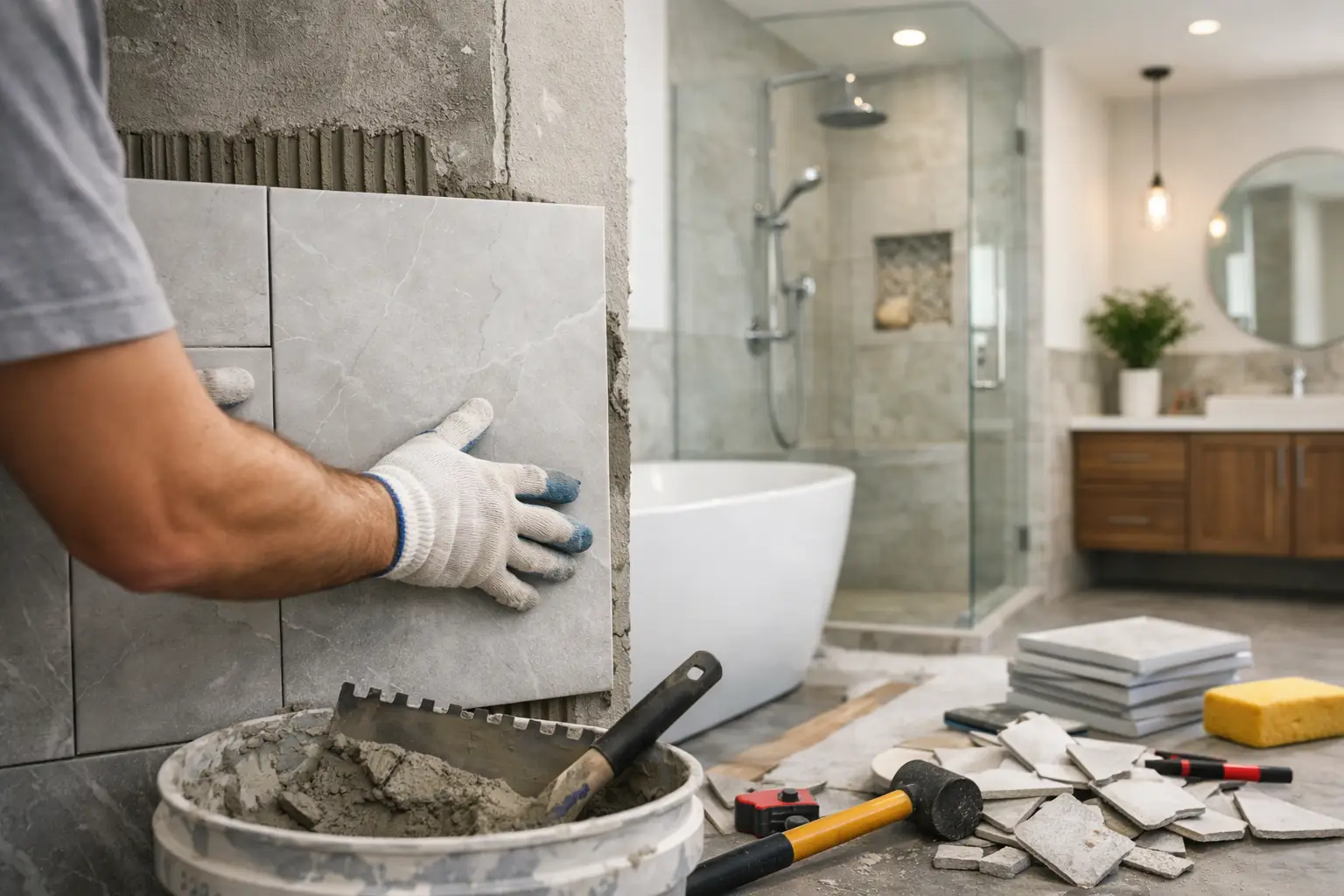
Orlando Bathroom Tile Replacement Done Right
A bathroom can look clean on the surface while its tile system is already failing underneath. Loose floor tiles, cracked grout, stained caulk, soft areas near the tub, and outdated finishes are not just cosmetic frustrations. They can point to moisture exposure, poor surface preparation, or an installation that was never built to handle daily use. Orlando bathroom tile replacement gives homeowners and property managers the opportunity to correct those problems while creating a space that looks current, performs better, and adds real value to the property.
The difference between a fast tile swap and a lasting bathroom renovation is what happens before the first new tile is installed. Professional removal, subfloor inspection, moisture protection, layout planning, and accurate installation all matter. A high-quality result starts below the tile and ends with clean lines, dependable grout joints, and details that hold up over time.
When Bathroom Tile Replacement Is the Right Move
A few cracked tiles do not always require a full replacement. If matching tiles are available and the surrounding floor is stable, a targeted repair can be a practical, cost-conscious option. But when cracks continue to appear, tiles sound hollow, grout keeps breaking apart, or water has reached the subfloor, replacing only the visible damage may delay a larger repair.
Full replacement is often the smarter choice when a bathroom has aging tile across a large area, mismatched repairs, outdated colors, uneven flooring, or signs of water damage. It is also a strong upgrade before listing a home, turning over a rental, or modernizing a commercial property. Bathrooms are high-use spaces. Buyers, tenants, and guests notice poor tile work immediately.
In Central Florida, humidity adds another reason to take bathroom surfaces seriously. Moisture management is not optional in a room built around showers, tubs, sinks, and frequent cleaning. The right preparation helps protect the materials below the finished surface and supports a cleaner, more durable bathroom.
Orlando Bathroom Tile Replacement Starts Below the Surface
Tile is only as reliable as the surface beneath it. A professional bathroom tile replacement should begin with controlled demolition and removal of the existing flooring or wall tile. This stage requires more than breaking tile apart. The crew must protect nearby fixtures, manage dust and debris, remove old thinset or adhesive where needed, and inspect what is left behind.
Once the old material is removed, the substrate needs to be evaluated for cracks, movement, rot, unevenness, and moisture damage. A plywood subfloor that has softened near a toilet flange or shower entry may need repair before any tile work begins. A concrete slab may require grinding, patching, or leveling. Skipping this step can lead to lippage, cracked grout, and loose tiles even when premium materials are used.
For shower walls and wet zones, proper waterproofing is equally important. Tile and grout are not a waterproof system on their own. The assembly behind the finish must be designed to manage moisture before the tile goes up. This is where experienced installation protects the investment and reduces the risk of hidden damage later.
Removal Should Be Clean, Controlled, and Complete
Bathroom demolition is often the messiest part of the project, but it should not feel chaotic. A skilled crew plans the removal path, protects adjacent areas, and clears debris efficiently so the next phase can start on a clean surface. This matters in occupied homes, rental units with tight turnover schedules, and commercial properties where downtime affects revenue.
Old tile removal can also reveal unexpected conditions. Previous renovations may have left multiple layers of flooring, damaged underlayment, failed mortar, or poorly installed backer board. Finding these issues before installation is good news. It gives the project team a chance to address the cause instead of covering it up.
Choosing Tile That Fits the Room and the Budget
The best tile is not always the most expensive tile. It is the material that fits the space, the intended use, the maintenance expectations, and the design direction. Porcelain is a popular choice for bathroom floors because it is dense, durable, and available in looks ranging from natural stone to warm wood tones. Ceramic can be an excellent option for walls, backsplashes, and lower-traffic bathroom areas where design flexibility is a priority.
Natural stone can deliver a premium appearance, but it may require more care and sealing depending on the material. Large-format tile creates a clean, modern look with fewer grout lines, although it demands a flatter substrate and precise installation. Smaller mosaic tile offers excellent traction and works especially well in shower floors, but it comes with more grout joints to maintain.
Color and finish should be selected with real use in mind. Matte finishes can help reduce the visibility of water spots and provide better slip resistance. Glossy wall tile reflects light and can make a compact bathroom feel brighter. Light colors open up smaller rooms, while darker tile can create a dramatic, upscale design when balanced with good lighting and contrasting fixtures.
A professional installer can help clients make decisions that look great in a showroom and still make sense after years of use. That includes tile size, grout color, transition details, baseboards, shower niches, and how the new floor meets the vanity, toilet, doorway, and adjacent rooms.
Precision Installation Makes the Finish Look Premium
The final appearance of a tiled bathroom comes down to alignment and detail. Tile layout should be planned before adhesive is spread. The installer needs to account for the room’s focal point, wall lines, drain placement, fixture locations, and cuts around corners and openings. A centered layout or balanced cuts at opposite walls can make a bathroom look intentional rather than improvised.
Proper spacing and grout selection are also part of the performance equation. Narrow grout joints can create a contemporary appearance, but they require accurate tile sizing and a stable surface. Wider joints may suit handmade-look tile or uneven materials. Grout color can blend with the tile for a calm finish or provide contrast to emphasize the pattern.
Edges deserve the same attention as the field tile. Clean transitions, straight trim pieces, properly sealed joints, and carefully finished corners separate high-quality work from a rushed installation. These details are especially visible around shower entries, niches, curbs, vanities, and doorways.
A Better Project Timeline Begins With Clear Planning
The timeline for bathroom tile replacement depends on the size of the bathroom, the condition below the existing tile, material availability, and whether the project includes a shower remodel, vanity replacement, plumbing changes, or new fixtures. A straightforward floor replacement may move quickly. A full bathroom renovation requires more coordination because demolition, repairs, waterproofing, tile installation, curing time, and finishing work must happen in the right order.
The fastest path is not cutting preparation short. It is having one capable team that can handle demolition, surface preparation, and installation without handoffs that create delays. Rox Floor provides that integrated approach for clients who need old materials removed and new finishes installed with professional accountability from start to finish.
Before work begins, homeowners and property managers should confirm the scope, tile selections, fixture plans, access requirements, and expected work sequence. Clear expectations reduce surprises and help keep the project moving. If hidden damage is discovered during removal, the right contractor explains the condition, outlines the repair options, and provides a direct recommendation based on the long-term result.
What to Expect From a Professional Tile Contractor
A dependable tile contractor does more than install attractive material. They assess the existing conditions, recommend the right preparation, communicate clearly, protect the work area, and stand behind the quality of the finished installation. Competitive pricing matters, but the lowest quote can become expensive if it excludes proper removal, leveling, waterproofing, or cleanup.
Ask how the old tile will be removed, what preparation is included, and how moisture-prone areas will be handled. Confirm whether disposal, surface repairs, grout, trim, and final sealing are included in the estimate. These questions make it easier to compare proposals based on real scope rather than a number that leaves critical work out.
A bathroom should feel solid underfoot, easy to maintain, and finished with confidence. When you are ready to replace failing or outdated tile, choose a team that treats the preparation work with the same care as the final pattern. That is how a bathroom upgrade becomes a durable improvement you can rely on every day.