
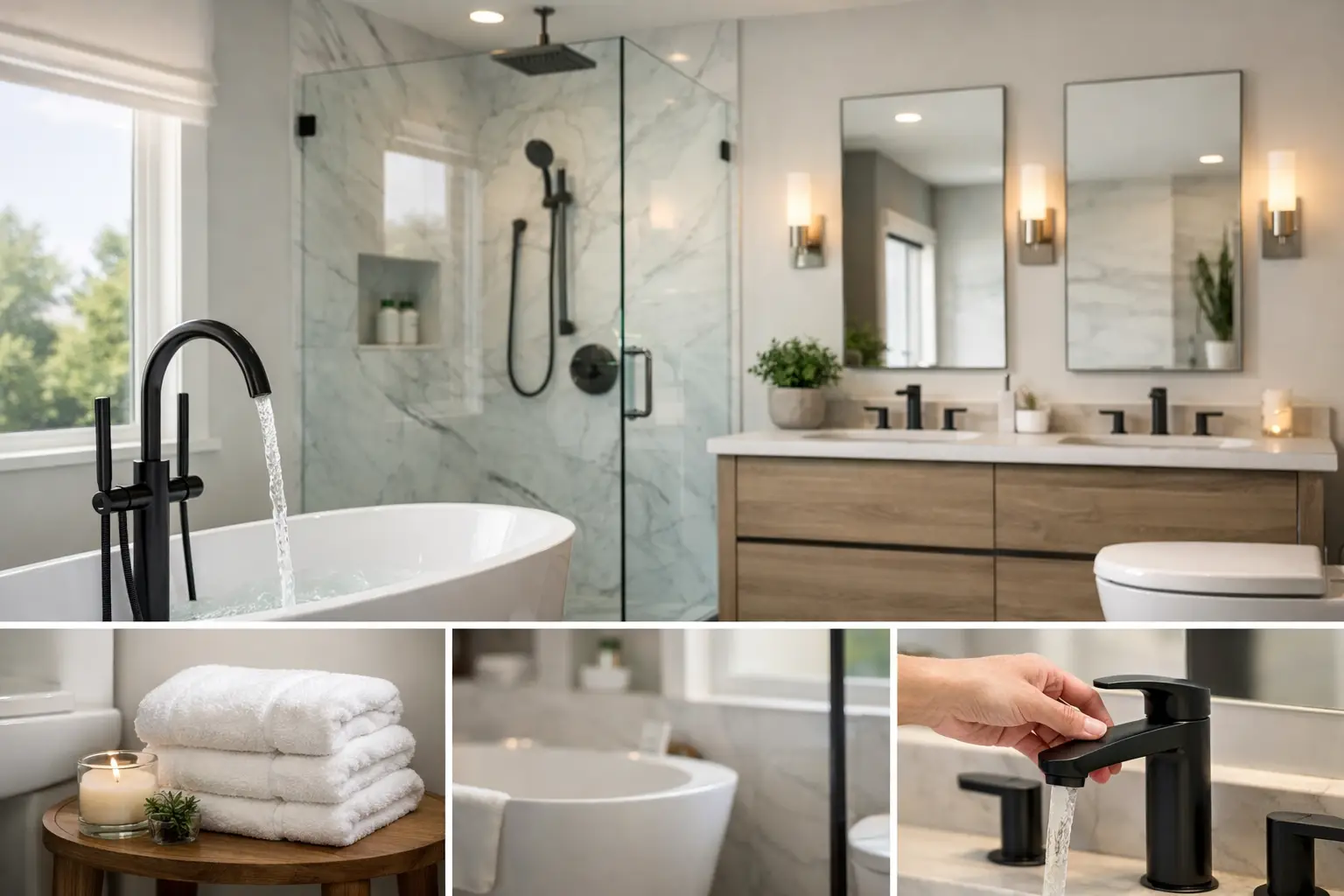
10 Best Bathroom Remodel Upgrades That Pay Off
A bathroom can look newly renovated on day one and still become a costly headache if the work behind the walls, under the tile, and around the shower is overlooked. The best bathroom remodel upgrades do more than improve style. They control moisture, simplify cleaning, make daily routines easier, and help protect the value of your home or investment property.
For homeowners and property managers, the smartest choices are usually not the flashiest ones. A premium tile layout matters, but so does a properly prepared substrate. A beautiful vanity adds storage, but it must fit the room without blocking traffic or making the bathroom feel cramped. The goal is a bathroom that performs as well as it looks.
Best Bathroom Remodel Upgrades for Long-Term Value
1. Waterproofing Behind the Tile
Waterproofing is one upgrade that should never be treated as optional, especially in a shower or tub surround. Tile and grout are not fully waterproof on their own. Moisture can work through small openings, failed grout joints, and fixture penetrations over time.
A professionally installed waterproofing system creates a protective barrier behind the finished surface. This reduces the risk of hidden mold, soft subfloors, damaged framing, and expensive future demolition. It is not the most visible part of a remodel, but it is one of the most valuable investments in the room.
This matters even more in Central Florida, where humidity can make moisture problems harder to ignore. Before new tile goes in, the existing surface must be assessed, repaired, leveled, and prepared correctly. Skipping that stage may save money at first, but it can put the entire installation at risk.
2. Large-Format Porcelain Tile
Porcelain tile remains one of the strongest flooring and wall options for a bathroom. It is durable, moisture-resistant, easy to maintain, and available in finishes that resemble natural stone, concrete, or warm wood. Large-format porcelain can also make a small bathroom feel more open because there are fewer grout lines interrupting the surface.
The trade-off is installation precision. Larger tiles demand a flat, properly prepared floor and careful layout planning. If the subfloor is uneven or the wrong adhesive and leveling methods are used, lippage and cracking can become problems. This is why professional surface preparation is not an add-on. It is part of a high-quality tile installation.
For rental properties and busy family bathrooms, choose a matte or lightly textured finish instead of polished tile on the floor. It offers better traction and hides water spots more effectively.
3. A Curbless or Low-Threshold Shower
Replacing a bulky tub with a spacious walk-in shower is one of the most requested bathroom changes. A curbless or low-threshold entry makes the room feel larger and provides easier access for guests, aging homeowners, and anyone who prefers a cleaner, more modern layout.
A true curbless shower requires thoughtful planning. The floor must be sloped correctly toward the drain, the waterproofing must be continuous, and the surrounding flooring needs to work with the shower transition. It is not always the right choice for every existing bathroom because the framing and drain location can affect cost.
When a fully curbless design is not practical, a low-profile shower base can still provide the open, upgraded look with less structural work. Either option is a major improvement over a worn, stained, or difficult-to-clean shower enclosure.
4. Better Shower Drainage
Drainage is easy to overlook until water starts pooling at your feet. A bathroom remodel is the right time to replace an outdated drain, verify the shower slope, and select a drain style that suits the design.
Linear drains are popular for modern showers because they can sit along a wall or at the entry and allow for a single-direction floor slope. Center drains remain a reliable, cost-effective option and can work well with many tile formats. The best choice depends on the shower size, tile selection, plumbing access, and desired layout.
What matters most is performance. Water should move efficiently toward the drain without standing in corners or along the shower threshold. A clean-looking shower is only premium when it drains properly.
5. A Floating Vanity With Real Storage
A floating vanity creates visual space by exposing more of the floor, which can make a compact bathroom feel less crowded. It also allows for easier floor cleaning and gives the room a clean, contemporary finish.
But appearance should not come at the cost of storage. Look for deep drawers, organized compartments, and durable hardware rather than a vanity with one shallow cabinet and wasted interior space. Drawers are often more practical than lower cabinets because toiletries and towels are easier to reach.
In a primary bathroom, a wider double-sink vanity can be worthwhile when two people use the space at the same time. In a smaller guest bath, a single vanity with generous counter space may deliver a better return than forcing in two sinks. The right layout depends on how the bathroom is actually used.
6. Layered Lighting at the Vanity and Shower
One overhead light is rarely enough for a bathroom. It can create harsh shadows at the mirror and leave the shower area dim. A stronger lighting plan combines general ceiling lighting with focused vanity lighting and, where appropriate, a wet-rated shower fixture.
Place vanity lights at face level or use well-positioned vertical fixtures on both sides of the mirror to improve visibility for shaving, makeup, and daily grooming. Select bulbs with a clean, natural color temperature rather than overly blue or yellow light. Dimmable fixtures add flexibility, allowing bright task lighting in the morning and a softer setting later in the evening.
Lighting also affects resale appeal. A bathroom that feels bright, clean, and functional is easier for prospective buyers or tenants to picture themselves using.
7. A Properly Sized Ventilation Fan
Steam that lingers after every shower can damage paint, encourage mildew, and leave the room smelling damp. A quiet, correctly sized exhaust fan is one of the most practical upgrades available.
The fan should be selected for the bathroom’s size and expected moisture level, then vented outside rather than into an attic or enclosed space. A timer switch or humidity sensor helps ensure the fan runs long enough after a shower, even when someone forgets to turn it on.
This upgrade is especially valuable in bathrooms without windows. It protects finishes you have already paid to install and helps maintain a healthier indoor environment.
8. High-Quality Grout and Smart Joint Placement
Grout color can change the entire look of a tiled bathroom. A close color match creates a calmer, more continuous surface, while contrasting grout emphasizes the pattern and individual tile shape. Both can work well, but choose based on the maintenance level you want.
For many homeowners, darker or mid-tone grout is easier to live with than bright white grout on a shower floor. More importantly, the installation needs properly placed movement joints at changes of plane, such as where walls meet floors or where shower walls meet. These flexible joints help account for normal building movement and reduce cracking.
A skilled installer also plans tile cuts before starting. Balanced cuts, aligned grout lines, and carefully finished edges separate a premium bathroom from one that looks rushed.
9. Recessed Niches and Practical Shelving
Shower niches eliminate the need for hanging caddies, cluttered corners, and bottles balanced on the tub edge. A recessed niche can be finished in matching tile for a streamlined look or accented with a contrasting tile to create a focal point.
Placement matters. The niche should be high enough to stay useful, large enough for the products your household uses, and positioned to avoid interfering with plumbing or structural components. In some cases, two smaller niches offer better organization than one oversized opening.
Outside the shower, a recessed medicine cabinet or narrow linen storage can add useful capacity without reducing walking space. These upgrades are particularly valuable in smaller bathrooms where every inch must work harder.
10. Heated Floors and Comfort Details
Heated flooring is not necessary for every project, but it can be a smart luxury upgrade in a primary bath, high-end renovation, or home intended for resale. It takes the chill off tile flooring and makes early mornings more comfortable without needing to heat the entire home.
Other comfort details can have an equally noticeable impact: soft-close drawers, an elongated toilet, a handheld shower fixture, strategically placed grab bars, and easy-to-clean glass doors. These are not dramatic design features, but they improve the experience of using the bathroom every day.
Prioritize these details after the essentials are addressed. Waterproofing, substrate preparation, drainage, ventilation, and durable finishes should come first. Once the foundation of the remodel is secure, comfort upgrades become a worthwhile finishing layer.
Plan the Remodel From Demolition to Finish
The best results begin before demolition. Existing tile, damaged flooring, old fixtures, and failing backer materials must be removed carefully so the new bathroom starts on a sound surface. Rushing through removal can damage nearby walls, plumbing, or the subfloor and create delays later in the project.
A complete remodeling team can coordinate removal, surface preparation, flooring installation, tile work, and finishing details without leaving you to manage multiple crews. That creates a clearer schedule, more consistent workmanship, and better accountability from the first estimate to the final walkthrough.
A Rox Floor helps Central Florida homeowners, investors, and property managers complete bathroom upgrades with professional demolition, expert surface preparation, and high-quality tile, vinyl, and marble installation. The right remodel is not about adding every available feature. It is about choosing durable improvements that fit your space, budget, and daily routine, then having them installed correctly the first time.