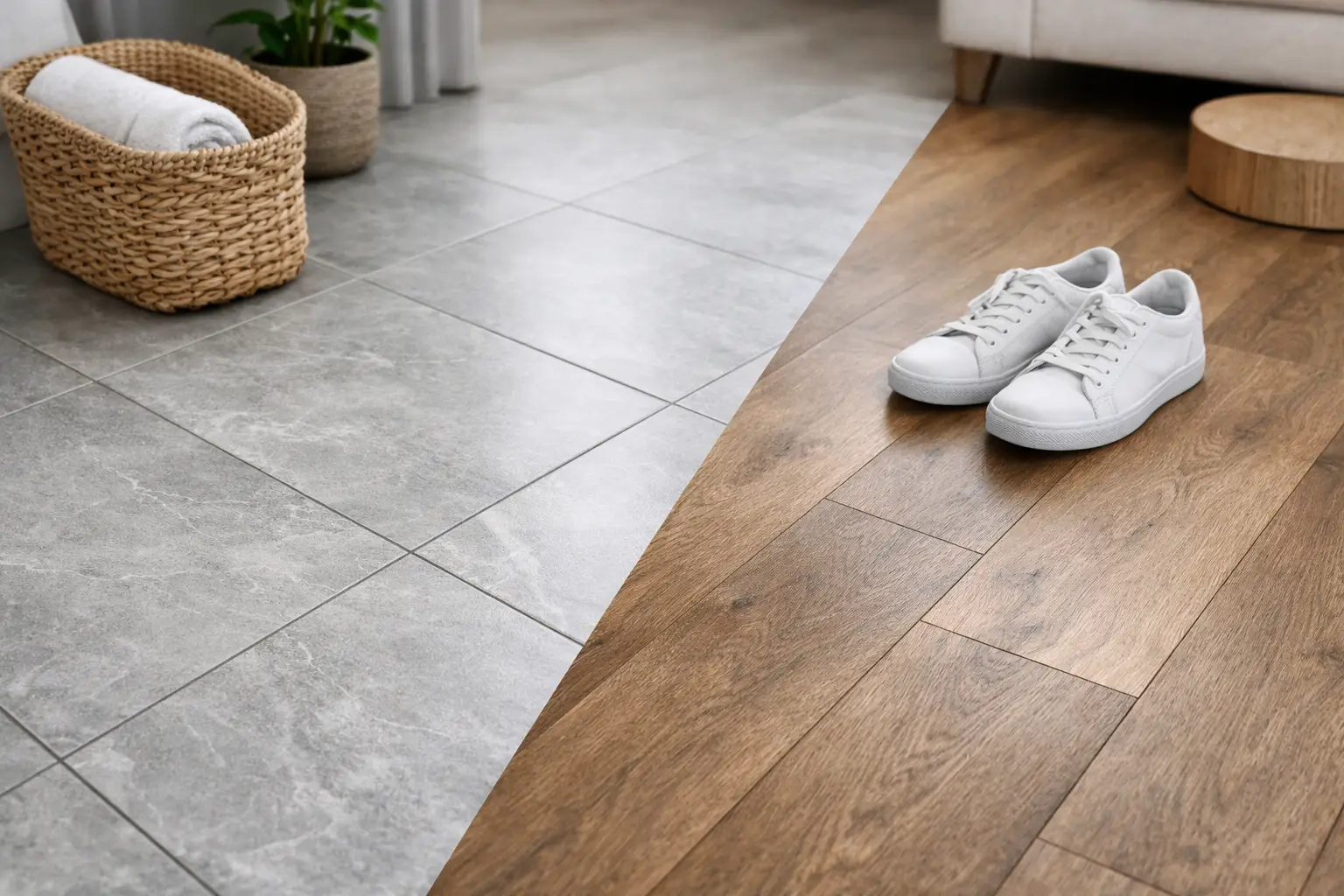
A flooring mistake in a rental rarely stays small. What looks good on day one can turn into a maintenance problem after one lease, two pets, and a few furniture moves. That is why choosing the best flooring for rental properties is less about trends and more about performance, replacement cost, and how fast you can turn a unit.
For landlords, property managers, and investors, the right floor needs to do three jobs at once. It has to look clean enough to help the unit rent, hold up under real tenant use, and make financial sense over several turnovers. If one of those pieces is missing, the floor will cost more than it should.
What makes the best flooring for rental properties?
The best flooring for rental properties is usually the option that gives you the lowest total cost over time, not the lowest price per square foot on installation day. That means looking at durability, water resistance, ease of repair, cleaning requirements, and how often a full replacement is likely.
A rental floor also has to match the type of property. A luxury condo, a standard single-family rental, and a high-traffic multifamily unit do not need the exact same material. The right answer depends on tenant profile, expected wear, and whether the property is positioned as budget, mid-market, or premium.
Another factor that gets overlooked is downtime. If a floor takes too long to remove, prep, and install, every extra day can mean lost rent. That is why many investors now prefer materials that install efficiently and perform well without constant upkeep.
Luxury vinyl plank is the leading choice for most rentals
If you want one answer that fits most situations, luxury vinyl plank is hard to beat. For many owners, it is the best flooring for rental properties because it balances appearance, durability, and replacement cost better than almost anything else on the market.
LVP handles foot traffic well, resists scratches better than many traditional surfaces, and offers strong water resistance. In kitchens, living areas, hallways, and even many bathrooms, that matters. A spilled drink, wet shoes, or everyday cleaning is far less likely to create the kind of damage that quickly ruins other materials.
It also gives you design flexibility. Today’s vinyl plank can deliver a clean wood-look finish that helps units photograph better and show better. That visual upgrade matters when you are competing for tenants.
The trade-off is quality variation. Not all vinyl plank is equal. Thin, low-grade products can feel cheap, shift over time, or wear badly in busy units. A better wear layer and proper subfloor preparation make a major difference in how the floor performs.
Tile is one of the most durable long-term investments
Tile remains one of the strongest choices for landlords who want durability above all else. In Florida especially, tile makes practical sense because it handles humidity well, performs in wet areas, and can take years of use with minimal visible wear when installed correctly.
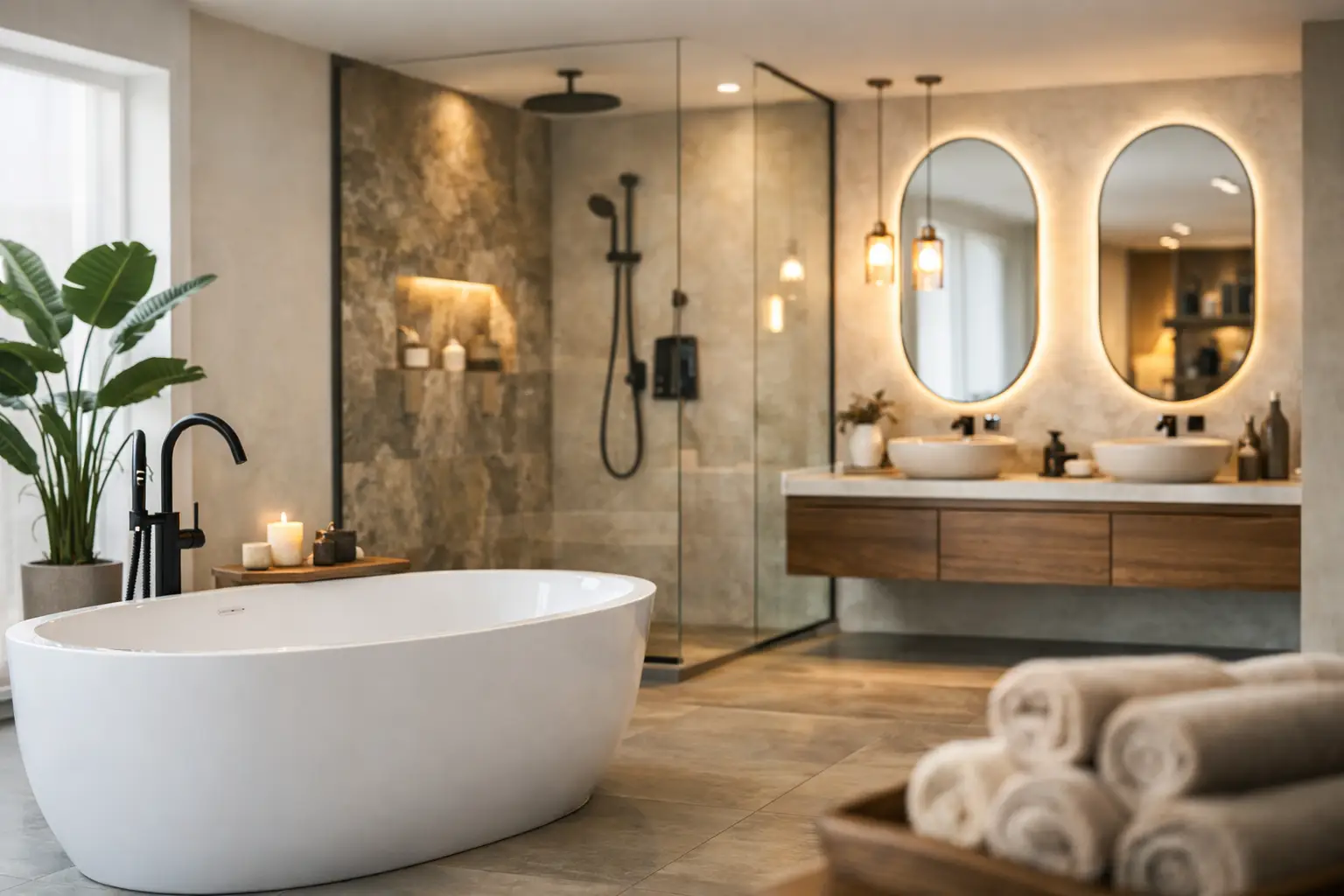
For kitchens, bathrooms, entry areas, and even full units in some markets, tile offers serious value. It is easy to clean, highly resistant to moisture, and less likely to need replacement after every few tenants. In the right property, that long lifespan can offset the higher upfront installation cost.
The downside is that tile is harder and colder underfoot, and repairs can be more complicated if you cannot match the original material later. It also depends heavily on installation quality. Poor layout, weak substrate prep, or uneven setting can turn a durable material into a recurring problem. This is where an experienced flooring team adds real value, especially when removal, surface preparation, and installation all need to move on a tight schedule.
Laminate can work, but it has clear limits
Laminate flooring can still make sense in some rental properties, especially where budget is tight and the unit is not exposed to frequent moisture. It gives a more upgraded look than basic sheet materials and can perform reasonably well in bedrooms and lower-risk living spaces.
The issue is water. Even newer laminate options that claim better moisture resistance are generally less forgiving than vinyl or tile. A leak, repeated mopping, pet accident, or wet area near an entry can create swelling and edge damage that is difficult to repair cleanly.
That does not mean laminate is a bad product. It means it needs the right setting. In a dry, lower-traffic rental with stable tenants, it may be acceptable. In a unit where you expect heavier wear or faster turnover, there are stronger options.
Carpet still has a place, but usually a smaller one
Carpet is rarely the best whole-unit flooring choice for rental properties anymore, especially in markets where durability and easy cleaning matter most. It stains, traps odor, wears unevenly, and often needs replacement faster than hard-surface options.
Still, there are cases where carpet works. In upstairs bedrooms, for example, some owners use it for sound reduction and tenant comfort. It can also lower initial costs in specific projects. But from a turnover standpoint, carpet is often the material that creates the fastest visible decline.
If you use it, keep it limited to low-risk areas and choose practical tones that hide normal wear better. Even then, many landlords are moving away from carpet because the long-term replacement cycle is just too frequent.
Sheet vinyl and other budget options
For strict budget projects, sheet vinyl can be useful in laundry rooms, utility areas, or very cost-sensitive rentals. It is affordable and offers decent moisture resistance. The challenge is appearance and perception. In many units, it reads as a lower-end finish, which can affect how the property shows to prospective tenants.
That does not make it the wrong call for every property. If you are renovating an older unit with tight margins, sheet vinyl may help control costs. But if the goal is stronger marketability, lower vacancy, and a more modern finish, vinyl plank usually delivers more value.
Matching flooring to the room matters
One of the most effective approaches is not choosing one material for every part of the unit, but selecting the right material by zone. Living rooms, hallways, and kitchens usually benefit from durable hard-surface flooring. Bathrooms need strong moisture resistance. Bedrooms may allow a little more flexibility depending on the property level and tenant expectations.
This is where many owners either overspend or underspec the job. Installing premium materials where they are not needed can hurt return on investment. Installing weak materials in high-stress areas usually leads to callbacks, repairs, and early replacement.
The smartest rental flooring strategy is practical, not emotional. It should support leasing, simplify maintenance, and reduce turnover cost over time.
Installation quality affects cost more than most owners realize
Even the best flooring product can fail early if the old floor is removed poorly, the substrate is not prepared correctly, or the installation is rushed. Cracks telegraph through tile, uneven subfloors affect plank performance, and leftover adhesive can compromise the finish.
That is why flooring decisions should never focus only on material selection. Removal, demolition, surface prep, and installation are part of the same result. Owners who treat them as separate issues often end up paying twice.
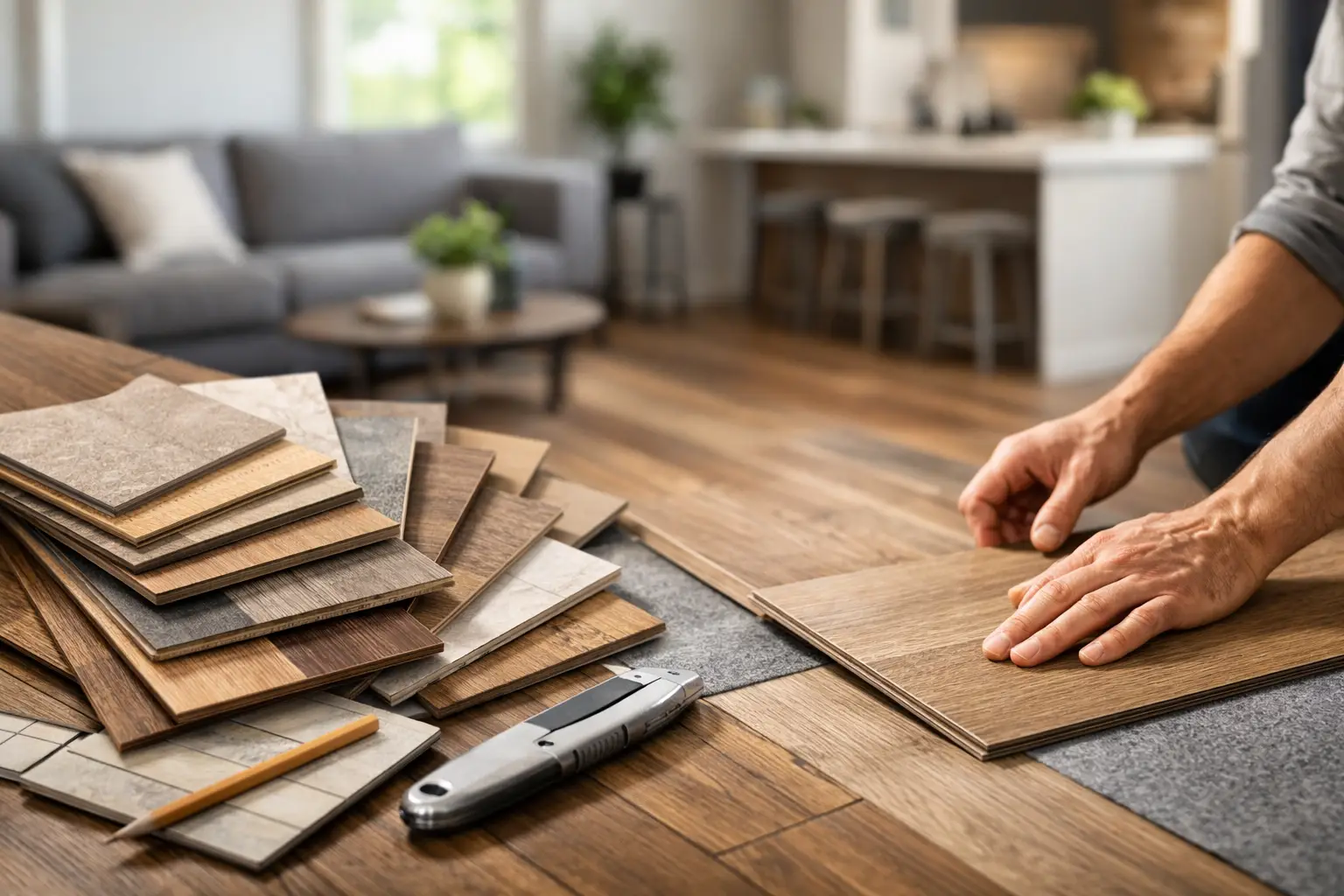
For rental properties, speed matters, but so does doing the job right the first time. A professional team that can handle floor removal, prep, and installation under one scope helps reduce delays, improve finish quality, and avoid the kind of hidden issues that show up after the next tenant moves in.
So what is the best flooring for rental properties?
For most landlords and investors, luxury vinyl plank is the safest overall choice. It offers the best mix of appearance, durability, water resistance, and cost control. Tile is an excellent long-term option where moisture, traffic, and lifespan are top priorities. Laminate and carpet can still fit specific scenarios, but they come with more limitations and shorter tolerance for tenant wear.
The best answer depends on your property class, turnover frequency, and budget, but the goal stays the same. Choose a floor that protects the asset, keeps the unit attractive, and reduces the chance that you will be replacing it again too soon.
If you are planning a rental renovation, think beyond the product sample. The real win comes from selecting the right material, preparing the surface properly, and installing it with the kind of workmanship that stands up to everyday use. That is what keeps a rental moving, occupied, and profitable.