
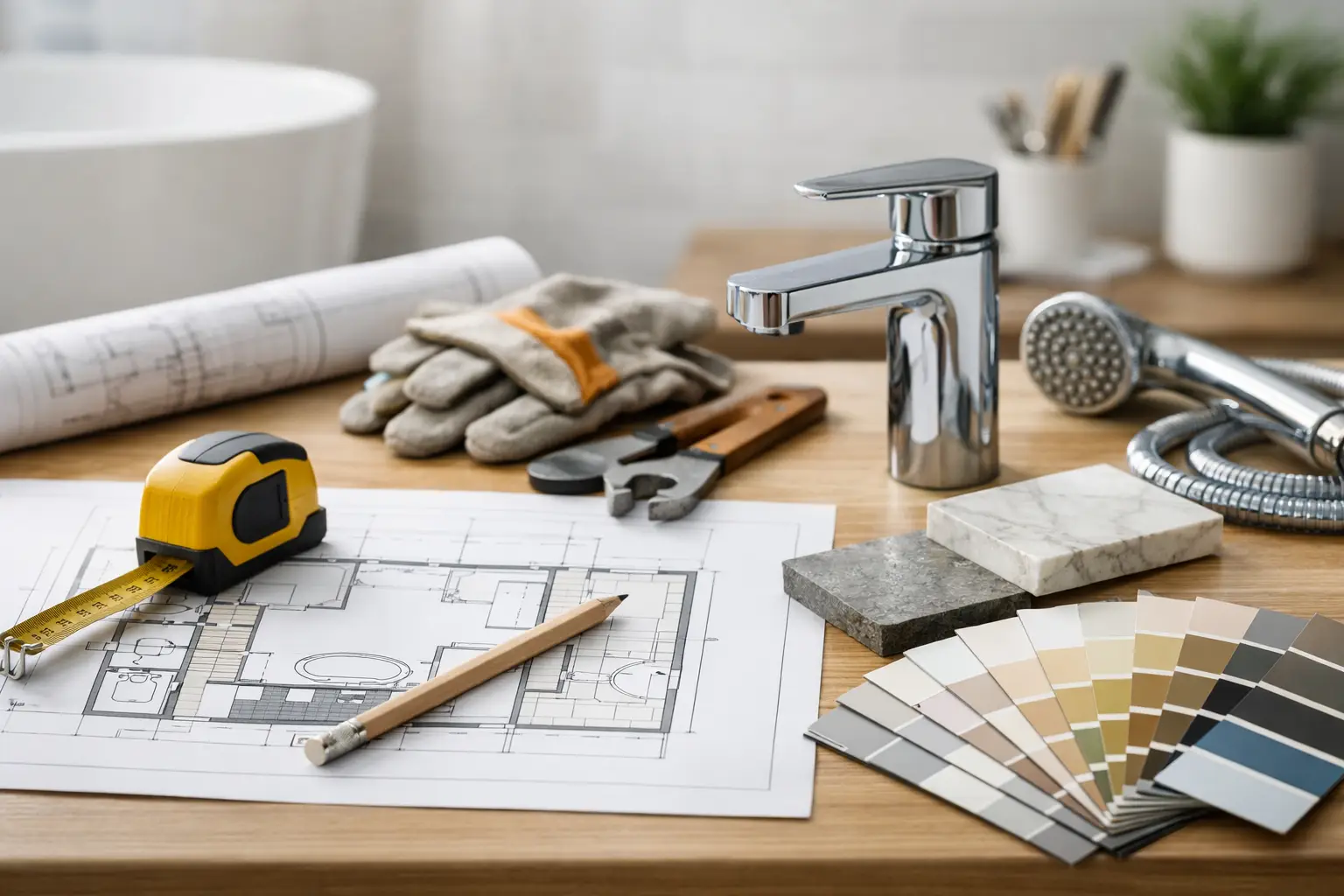
How to Plan Bathroom Renovation Right
A bathroom project usually looks simple until the first tile comes off the wall. Then the real questions start – How much needs to be replaced? Can the layout stay the same? What should you spend on tile, waterproofing, and labor? If you are wondering how to plan bathroom renovation without delays, budget surprises, or weak installation choices, the smartest move is to treat it like a full system, not a cosmetic update.
A successful bathroom renovation is not just about picking a vanity and a nice shower tile. It depends on demolition, surface preparation, layout decisions, moisture protection, material performance, and installation quality. When those parts are planned in the right order, the finished bathroom looks better, lasts longer, and creates fewer problems after the job is done.
How to plan bathroom renovation with the right priorities
The first step is getting clear on why you are remodeling. Some bathrooms need a visual update because they feel dated. Others have cracked tile, water damage, soft subfloors, failing grout, or poor layouts that make daily use frustrating. These are very different projects, and they should not be planned the same way.
If your goal is resale value, focus on clean design, durable finishes, and broad appeal. If the bathroom is for a primary home, comfort and function may matter more than trends. If the property is a rental or investment, durability, installation speed, and budget control usually take priority. Knowing the purpose of the renovation helps you avoid overspending in the wrong areas.
It also helps to decide early what must change and what can stay. Keeping plumbing in the same location often reduces cost and speeds up the project. Moving a toilet, shifting a shower drain, or relocating a vanity can improve the room, but it can also increase labor, add inspections, and create a longer construction schedule. Sometimes the better investment is upgrading finishes and improving waterproofing rather than rebuilding the entire layout.
Set a realistic budget before you choose finishes
One of the most common mistakes in bathroom remodeling is shopping for materials too early. Homeowners often choose premium tile, custom glass, or a freestanding tub before they understand demolition costs, prep work, or labor requirements. That is how a project starts strong and then gets cut back in the middle.
A stronger approach is to build the budget in layers. Start with the non-negotiables like demolition, debris removal, substrate repair, waterproofing, plumbing adjustments if needed, and professional installation. After that, allocate money to finish materials such as tile, vanity, fixtures, lighting, mirrors, and paint.
This matters because hidden conditions are common in older bathrooms. Once existing floors, wall tile, or shower assemblies are removed, problems like moisture damage, uneven subfloors, mold exposure, or poor previous workmanship may show up. A bathroom renovation budget should always include a contingency. Without one, every surprise becomes a problem.
In many cases, spending more on the parts behind the tile delivers better value than spending everything on visible finishes. A bathroom with excellent prep and mid-range materials will usually outperform a bathroom with luxury finishes installed over weak surfaces.
Measure the room and test the layout on paper
Before ordering anything, confirm exact dimensions. That includes wall lengths, ceiling height, door swing, window placement, plumbing locations, and floor area. Do not rely on estimates. A few inches can affect vanity size, shower glass fit, tile layout, and storage options.
This is where planning becomes practical. A larger vanity may sound better until it blocks movement. A double sink may look appealing until it leaves no counter space. A bigger shower can improve comfort, but not if it makes the room feel tight or forces awkward door clearance.
When planning layout, think about how the bathroom is used every day. Storage is often underestimated. So is lighting. A bathroom that looks good in photos but lacks enough drawer space, task lighting, or ventilation tends to disappoint in real life.
If accessibility matters now or may matter later, plan for it early. Curbless showers, wider openings, better lighting, and smart fixture placement are easier to build into the renovation than to retrofit later.
Choose materials that can handle moisture and daily wear
Bathrooms are high-moisture environments, so material selection is not only about appearance. It is about performance. Floor tile, shower tile, grout, underlayment, wall prep, and waterproofing systems all need to work together.
Porcelain tile is a strong choice for many bathrooms because it is durable, water-resistant, and available in styles that suit both modern and classic designs. Natural stone can look impressive, but it usually requires more maintenance and a higher level of installation precision. Vinyl flooring may work in some bathroom remodels, especially when budget and speed matter, but product quality and subfloor condition make a big difference.
Tile size also affects labor and final appearance. Large-format tile can create a clean, modern look, but it demands flatter surfaces and more careful prep. Smaller tile may work better on shower floors or in rooms with more cuts and transitions. This is one of those decisions where style and installation requirements need to be weighed together.
Fixtures deserve the same attention. Water-efficient toilets, quality shower valves, and dependable faucets can reduce future service issues. Cheap fixtures often create problems that show up after the remodel is complete, which is exactly when nobody wants to reopen the wall.
Don’t underestimate demolition and surface preparation
This is where many bathroom projects are won or lost. Demolition is not just removal. It sets the stage for everything that follows. Clean demolition protects surrounding areas, reveals hidden issues, and creates a clear path for the rebuild.
After demolition, proper surface preparation becomes critical. Floors may need leveling. Walls may need correction. Substrates in wet areas must be appropriate for tile and waterproofing systems. If this stage is rushed, the visible finish can suffer even if the materials are premium.
That is why experienced remodeling teams focus heavily on prep. Tile does not hide bad surfaces. It follows them. Uneven floors, weak backing, poor waterproofing, and shortcuts around corners or transitions eventually show up as cracked grout, loose tile, leaks, or premature wear.
For homeowners and property managers, this is one of the biggest reasons to choose a contractor who can handle demolition, prep, and installation as one connected scope. It reduces handoff problems and keeps accountability clear from start to finish.
Build a timeline that matches the real work
Bathroom remodels are often planned too optimistically. Material lead times, permit needs, inspections, demolition findings, and specialty installations can all affect scheduling. A realistic timeline should include ordering, delivery, removal, prep, plumbing or electrical adjustments, waterproofing cure times, tile installation, grout, fixture setting, paint, and final punch work.
If it is your only bathroom, temporary arrangements need to be part of the plan from the beginning. If the project is in a rental or commercial property, vacancy windows and tenant coordination matter. In Central Florida, where scheduling and trade availability can shift quickly, early planning helps avoid project slowdowns.
It is also smart to order core materials before demolition begins, especially tile, vanities, fixtures, and specialty items. Waiting to choose products after the room is already torn apart creates pressure, and rushed decisions are usually expensive ones.
How to choose the right contractor for a bathroom remodel
The best plan can still fail with weak execution. A contractor should be able to explain the process clearly, identify likely issues before work starts, and provide confidence that demolition, prep, and installation will be handled professionally.
Ask practical questions. Who handles demolition? What happens if water damage is found? How are surfaces prepared before tile installation? What waterproofing method is used in the shower? How is debris managed? How will the schedule be communicated?
Good answers are specific. Vague promises are not enough. You want a team that respects the job site, protects the home, and understands that quality is built long before the final fixtures go in.
For many property owners, the biggest advantage comes from hiring one company that can manage multiple phases of the project. That reduces delays, miscommunication, and finger-pointing. Rox Floor is one example of the kind of contractor model that appeals to homeowners who want demolition, flooring, tile work, and remodeling handled with one accountable team.
Plan for the finish, but invest in what lasts
It is easy to focus on visual choices because they are the most exciting part of the project. But the bathrooms that perform best over time are usually the ones planned from the inside out. Strong prep, smart layout choices, durable materials, and experienced installation create the kind of result that still feels like a good investment years later.
If you are planning a bathroom renovation, slow down just enough to make the right decisions in the right order. A better plan does not just protect your budget. It protects the finished work, the timeline, and your confidence in the result.